
General
Why a Design Studio Is Embracing Robotics: Kraavon's New Frontier
Kraavon, a digital product design and engineering studio, is venturing into robotics. We believe the next frontier in robotics is not just hardware, but the human experience of interacting with these machines.
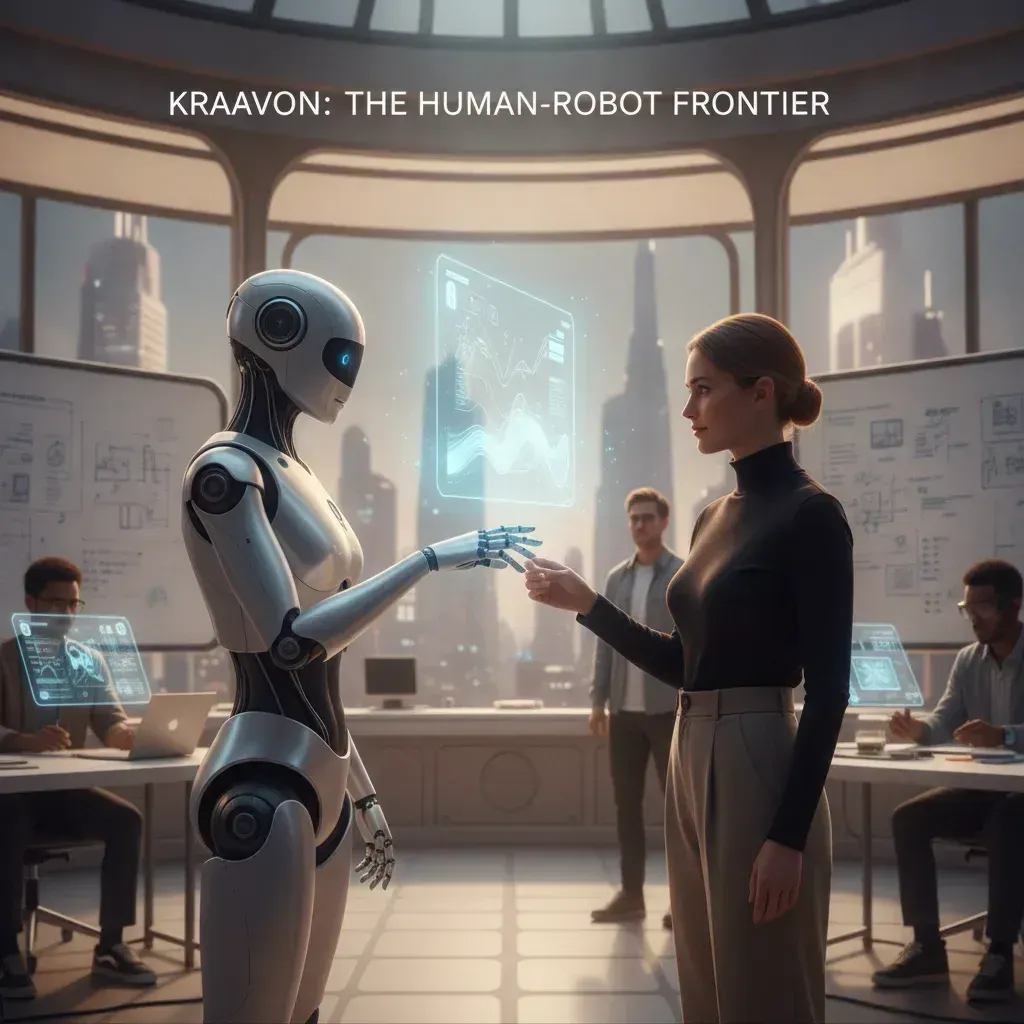
For years, Kraavon has partnered with founders and product teams to ship premium digital products. We integrate strategy, design, and engineering into one cohesive process, ensuring that vision translates directly into a polished, functional product. Our expertise lies in crafting intuitive user experiences and robust software systems that people love to use. Now, we are taking a bold step into a new domain: robotics. This might seem like an unusual pivot for a studio known for web and mobile applications, but it is a natural evolution based on our core belief: technology must serve humans effectively.
Our venture into robotics is not about building the physical robots themselves. Instead, we are focusing on the critical software and human experience layer that surrounds them. We see a significant gap in the market, a need for sophisticated, user-centric interfaces that make robots accessible and productive for everyone. This new chapter aligns perfectly with our mission to build products that are not just technically sound, but truly delightful and efficient to use.
The Robots Are Here, And They Need Better Interfaces
Robots are no longer confined to the sterile, controlled environments of industrial factories. They are rapidly moving into our everyday workplaces and even our homes. We see them in warehouses, efficiently sorting packages and moving inventory. Hospitals are deploying robots for delivering medications, linens, and even assisting with surgeries. Restaurants are experimenting with automated food preparation and delivery. On farms, autonomous vehicles are planting seeds and monitoring crops. In our homes, robot vacuums are just the beginning; soon, more complex service robots will become commonplace.
This shift demands a fundamental change in how we design and build robot interfaces. When robots were only in factories, specialized engineers operated them. These engineers understood complex command-line prompts and intricate technical configurations. They spoke the language of code and industrial protocols. However, as robots move into warehouses, hospitals, and restaurants, the operators are no longer just engineers. They are warehouse workers, nurses, chefs, and farmers. These operators need interfaces that are intuitive, straightforward, and require minimal technical knowledge. They need clear visual cues, simple controls, and robust error handling.
The success of robotics in these new environments hinges on ease of use. A complex robot that is hard to operate will gather dust. An intuitive robot, however, can transform productivity and free up human staff for more complex, empathetic tasks. The real bottleneck for robotics adoption is no longer just the motors or sensors. It is the experience of humans working alongside these machines.
Robotics Has A UX Problem
Most robot interfaces today are built by engineers for engineers. This is not a criticism of engineers; they excel at creating functional systems. However, their primary focus is often on the underlying technical capabilities, not necessarily the human factors involved in daily operation. The result is often software that is powerful but opaque. It can be difficult to learn, frustrating to use, and prone to user error when operated by someone without deep technical training. This is where the crucial need for dedicated robotics UX design emerges.
Imagine a warehouse floor manager trying to reassign a fleet of autonomous mobile robots. With current interfaces, this might involve navigating complex menus, inputting specific coordinates, or interpreting cryptic status codes. The manager needs to quickly understand what each robot is doing, where it is going, and if any issues are preventing it from completing its task. A poor interface adds cognitive load, slowing down operations and increasing the chance of mistakes. This directly impacts efficiency and safety.
Consider a nurse in a busy hospital. They need to send a robot to deliver medicine to a specific room. If the process involves multiple steps, unclear prompts, or an unresponsive interface, it takes valuable time away from patient care. The nurse needs to trust the robot and its interface completely. They need clear feedback that the robot understood the command and is proceeding as expected. When interfaces are designed poorly, trust erodes, and adoption rates suffer. This highlights the urgent demand for better robot interface design.
Current robot software often lacks visual clarity. It may present data in raw formats, requiring operators to mentally parse numbers and text into meaningful insights. There is a frequent absence of clear, real-time visual feedback on a robot's state, path, or intentions. Error messages are often generic, unhelpful, or demand a level of technical understanding that frontline operators simply do not possess. This leads to confusion, downtime, and a general reluctance to integrate robots fully into workflows. This is a critical human-robot interaction design challenge that needs solving.
The steep learning curve associated with many existing robot control systems is another major hurdle. Training new staff to operate these complex machines can be time-consuming and expensive. Companies need interfaces that are intuitive enough to allow new operators to become proficient quickly, reducing the barrier to entry for widespread robot adoption. The future of robotics relies on making these powerful tools approachable, not exclusive to a technical elite.
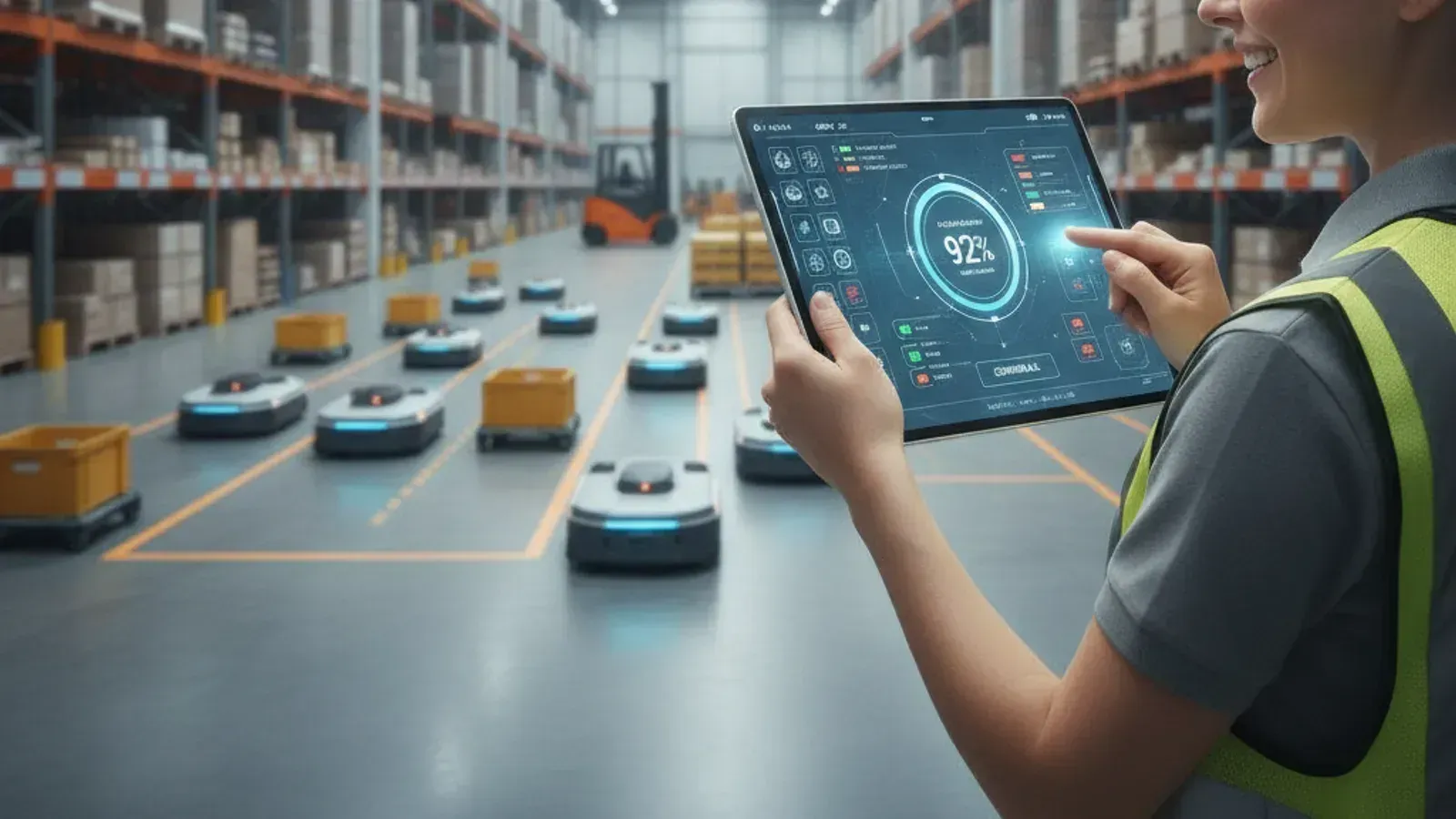
Intuitive dashboards are key for managing complex robot fleets in real-world environments.
Where Kraavon Comes In: Designing the Human Layer for Robotics
Kraavon's strength lies in understanding user needs and translating them into elegant, functional digital experiences. We bring this human-centered design approach directly to robotics. We are not building robot hardware. We are building the critical software that makes robots useful, manageable, and a seamless part of human workflows. Our focus is on the operator, the manager, and anyone who needs to interact with these intelligent machines.
Operator Dashboards and Fleet Management Web Apps
For industrial and commercial settings, robust web-based dashboards are essential. These applications provide a centralized hub for monitoring, controlling, and optimizing entire fleets of robots. Imagine a single screen where a logistics manager can see the real-time location of every robot in a vast warehouse, its current task, battery level, and any potential issues. Our dashboards focus on clarity, actionable insights, and efficient control.
We design these systems to allow for easy task assignment and reallocation. A manager should be able to drag and drop tasks onto available robots, or quickly re-route a robot if priorities change. Predictive maintenance alerts can be integrated, allowing for proactive servicing before a breakdown occurs. Performance analytics help identify bottlenecks and improve overall operational efficiency. This level of sophisticated yet simple robotics software development is what Kraavon delivers, ensuring operational fluidity for our partners.
Companion Mobile Apps for Setup and Control
Not every interaction with a robot requires a full dashboard. For on-the-go management, setup, or quick troubleshooting, mobile apps are indispensable. Think of a farmer configuring an irrigation robot in the field using their smartphone, adjusting watering schedules and monitoring sensor data directly from a pocket-sized device. Or a restaurant owner quickly programming a serving robot for a new menu item.
These mobile applications provide accessible control, diagnostics, and status updates. They can simplify complex setup procedures through guided workflows and visual aids. They offer immediate feedback, ensuring operators know their commands have been received and are being acted upon. Our mobile apps are designed to be intuitive, responsive, and reliable, enhancing the overall human-robot interaction experience without overwhelming the user.
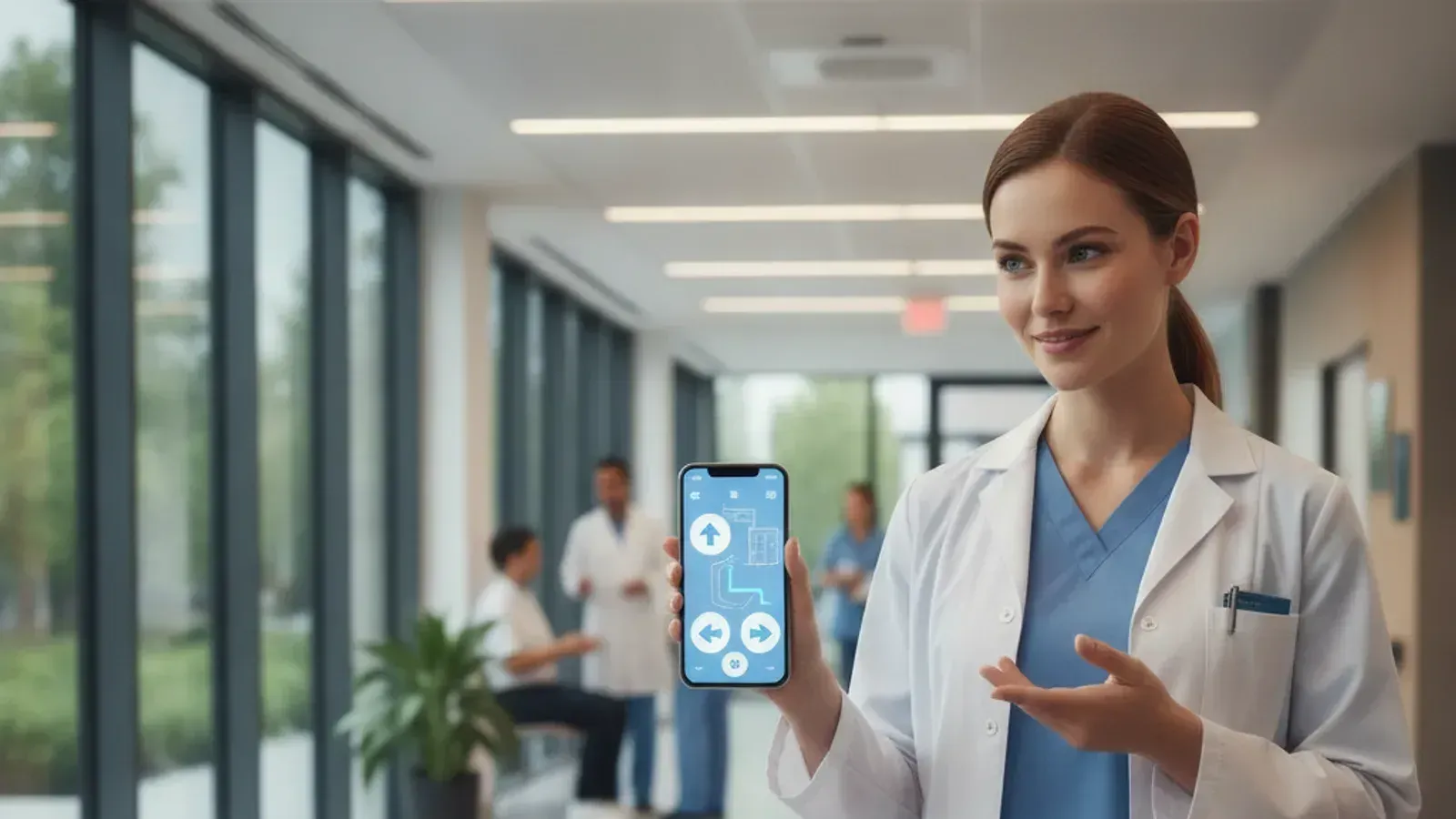
Mobile apps offer intuitive, on-the-go control for busy professionals, making robot operation effortless.
Voice and Conversational Interfaces
In environments where hands-free operation is critical, voice interfaces offer a revolutionary approach to robot control. Imagine a chef in a bustling kitchen, hands full, simply asking a robot to fetch specific ingredients from storage. Or a construction worker directing an autonomous vehicle with voice commands, ensuring safety and efficiency on a busy site. Voice interaction reduces the need for physical contact with controls, which can be crucial in environments that demand hygiene or where operators wear protective gear.
Kraavon specializes in designing natural language processing (NLP) driven conversational interfaces. We focus on making these interactions fluid and understanding diverse accents and commands. This technology goes beyond simple command recognition. It aims for a more natural dialogue, allowing operators to communicate with robots in a way that feels intuitive and human-like. This is a powerful component of advanced human-robot interaction design, making robots truly responsive partners.
Real-time Data Visualization and Digital Twins
Understanding what a robot is doing, or why it failed, often requires more than just numbers. Advanced data visualization brings robot operations to life. We build interfaces that offer live 3D views in the browser, allowing operators to visualize a robot's surroundings, its current path, and its sensor readings in real-time. This provides a rich, immersive understanding that text-based data simply cannot match.
Our expertise extends to creating digital twins: virtual models that precisely mirror the state and behavior of physical robots. These digital twins allow for simulation, remote diagnostics, and even predictive analysis. An operator can virtually test a new command before deploying it, or retrace a robot's movements to diagnose an error. This visual clarity is paramount for effective robotics UX design, allowing operators to maintain full situational awareness and control over complex systems.
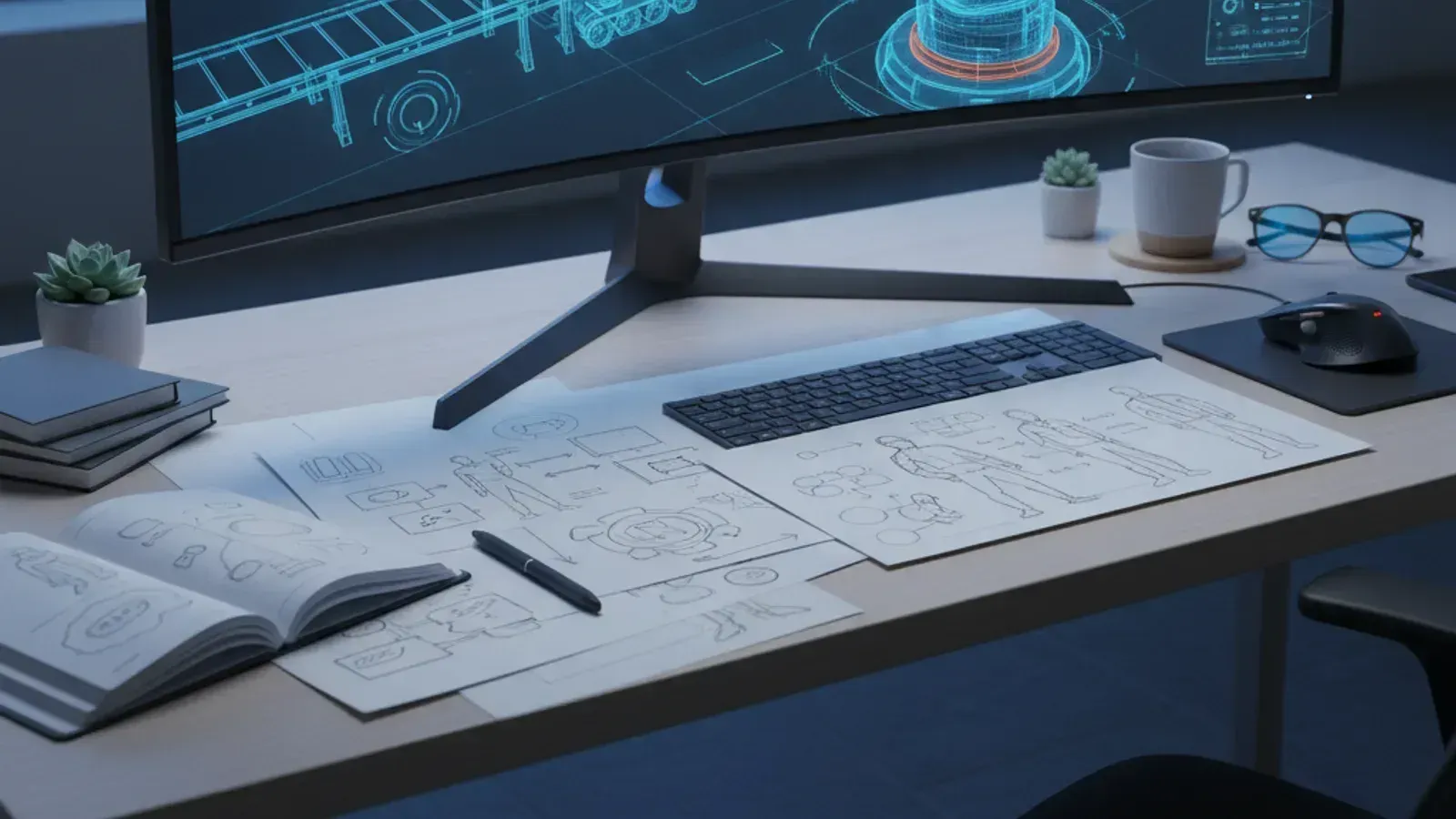
Digital twins and live 3D views provide unparalleled insights into robot operations and performance.
Kraavon's Plan: Partnering for the Future of Robotics
Our move into robotics is not speculative. It is a strategic expansion of our core capabilities. Kraavon is establishing a dedicated service offering specifically for robotics startups, hardware manufacturers, and industrial companies. We aim to be the go-to partner for designing and building the human-facing software layer for their robotic products.
- Dedicated Robotics Software Service Line: We are formalizing our expertise into a specialized service line. This will focus on full-stack web and mobile development for robot control, monitoring, and human interaction. We offer comprehensive solutions from initial strategy and UX research to design, development, and ongoing support.
- Strategic Partnerships: We are actively seeking collaborations with hardware companies and robotics innovators. Our goal is to integrate our design and engineering prowess with their cutting-edge hardware. We want to ensure that every robot launched is accompanied by an equally impressive and intuitive software experience.
- Internal R&D Initiatives: To demonstrate our capabilities and push the boundaries of robotics UX design, Kraavon is investing in internal research and development. This includes building prototype interfaces for existing robot platforms, exploring new interaction paradigms, and refining our tools for real-time data visualization and digital twin development. This ensures we stay at the forefront of human-robot interaction design and can showcase practical applications for our partners.
- Focused Talent Development: We are investing in upskilling our existing senior talent and recruiting specialists in areas like real-time systems, 3D graphics, and advanced human-computer interaction. This ensures our teams are equipped with the specific knowledge required for complex robotics software development.
Our timeline is immediate. We are already engaging with potential partners and actively building our internal knowledge base. We believe that by focusing on the crucial software-human interface, we can accelerate the adoption and impact of robotics across various industries.
Why Kerala, India, Is Our Launchpad for Robotics Software
Kraavon is based in Kochi, Kerala, India. This location offers unique advantages for our venture into robotics software development. India boasts a rapidly growing hardware startup ecosystem. There is a strong emphasis on innovation, coupled with government support for technology and manufacturing. This creates a fertile ground for collaboration and growth.
The country also has a vast pool of highly skilled engineering and design talent. This allows Kraavon to assemble senior teams capable of tackling complex robotics challenges. We can deliver world-class software solutions at a cost-effective rate. This combination of talent, ecosystem, and efficiency makes India an ideal hub for developing advanced human-robot interaction systems.
Our existing expertise in AI-assisted development, full-stack web builds (Next.js, Node.js, Strapi, PostgreSQL, AWS), and UI/UX design provides a robust foundation. These technologies are directly applicable to creating sophisticated robot interfaces and backend management systems. We are leveraging this established capability to build premium robotics software solutions that are scalable, secure, and user-friendly. This positions us uniquely for success in the global robotics landscape, especially for robotics software development in India.
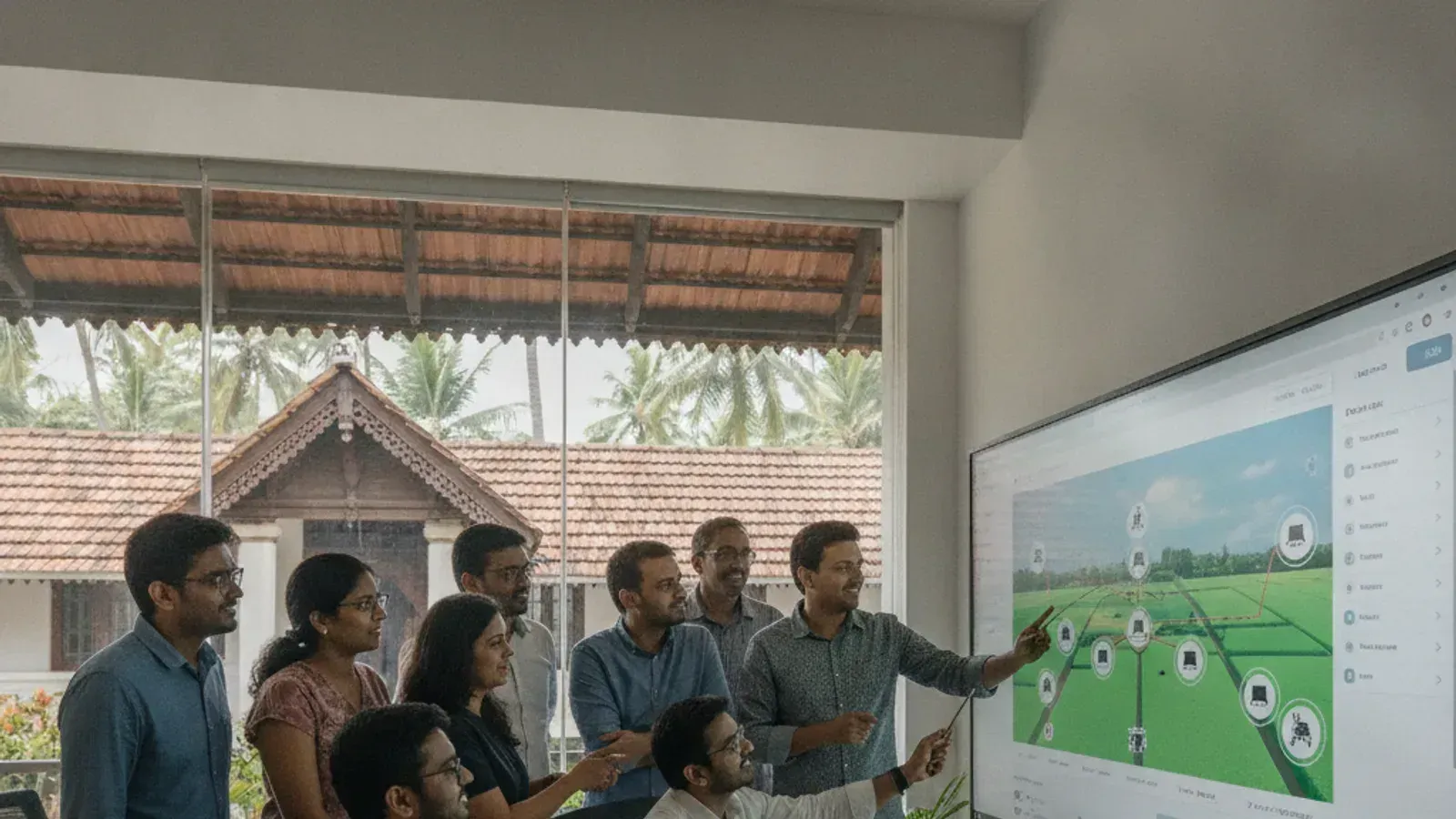
Our team in Kochi, Kerala, combines design thinking with engineering prowess to build the next generation of robot interfaces.
We are confident that our blend of design thinking and engineering rigor, combined with the strategic advantages of our location, makes Kraavon an exceptional partner for robotics ventures. We are ready to help companies navigate the complexities of robotics UX design and build solutions that truly empower their operators.
At Kraavon, we believe in a collaborative, integrated approach to product development. Our strategy, design, and engineering teams work as one to deliver exceptional digital experiences. This philosophy underpins all our work, including our new focus on robotics. Read more about [how we work](/our-approach).
Kraavon's Next Chapter: Let's Build the Future Together
The future of robotics is not just about smarter machines. It is about smarter interactions between humans and machines. Kraavon is stepping into this space to ensure that the incredible potential of robotics is unlocked through thoughtful, human-centered design and robust engineering. We are here to bridge the gap between complex robotic hardware and the everyday operators who need to use it effectively. We are committed to making robot interface design intuitive, efficient, and even enjoyable.
We invite robotics startups, hardware founders, and industrial companies to join us on this exciting journey. If you are building the next generation of robots and need a partner to craft the unparalleled software experience around them, we want to talk. Let us design and build the human layer that will make your robots truly shine.
Are you developing innovative robotics hardware? Do your robots need intuitive, powerful software interfaces that empower operators, not frustrate them? Kraavon is ready to help you design and engineer the future of human-robot interaction. Reach out to our team today.