
General
AI-Powered Insights: Revolutionizing User Research for Product Design Studios
Discover how generative AI and natural language processing are transforming user research. These powerful tools streamline everything from data analysis to persona development, empowering product design studios like ours to build better products.
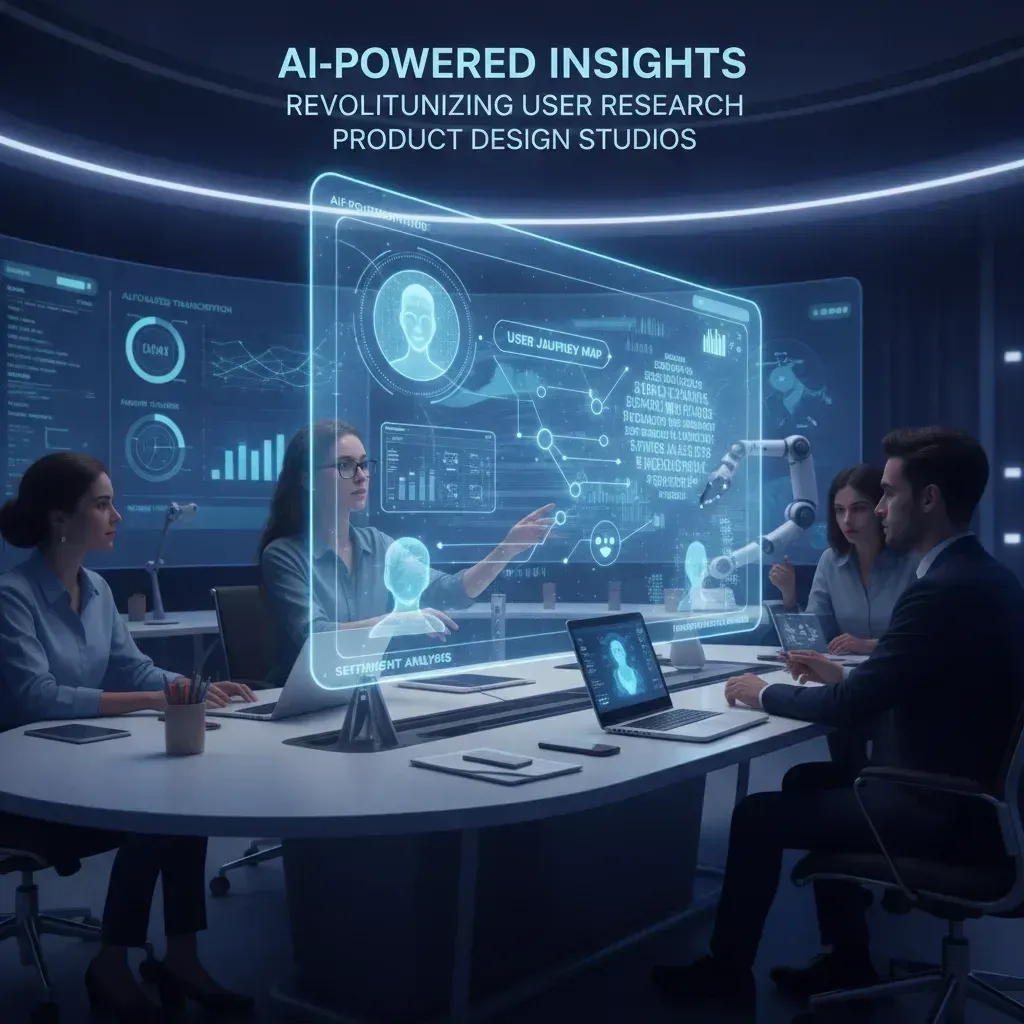
At Kraavon, we know that truly great products are built on a deep understanding of people. User research forms the very bedrock of successful product design. It helps us understand what users need, what problems they face, and how they interact with technology. This foundational work ensures we build solutions that truly resonate and deliver value. Now, AI-powered insights are revolutionizing user research, changing how product design studios approach this critical phase. This shift empowers us to move faster, uncover deeper truths, and build products with even greater precision. It allows our small, senior teams to focus on strategic thinking rather than getting bogged down in manual data processing.
Generative AI and natural language processing (NLP) are not just buzzwords. They are powerful tools transforming how we gather, analyze, and synthesize user data. Think of them as intelligent assistants, working alongside our expert researchers. They can handle the heavy lifting of data processing, freeing up valuable human time and cognitive energy. This means we can dedicate more effort to strategic thinking, innovative design, and direct user engagement. For product teams looking to ship premium digital products, leveraging these technologies offers a clear competitive advantage in understanding their audience.
The Evolving Landscape of User Research
Traditional user research methods are incredibly valuable. They involve meticulous planning, conducting interviews, distributing surveys, and observing user behavior. However, these methods often demand significant time and resources. Analyzing hours of interview transcripts can be a manual, tedious process. Sifting through thousands of open-ended survey responses requires immense focus and patience. Identifying subtle patterns across diverse data sets often feels like searching for a needle in a haystack. These challenges can slow down product development cycles and sometimes limit the depth of insights we can realistically extract. Our goal at Kraavon is always to move from strategy to a shipped product without losing the thread in between. Bottlenecks in user research can easily break that continuity.
The sheer volume of qualitative data generated from comprehensive user studies can be overwhelming. Researchers face the daunting task of categorizing, tagging, and interpreting vast amounts of text. This process is prone to human error and bias, no matter how skilled the researcher. Moreover, synthesizing these individual data points into cohesive, actionable insights requires a high level of expertise and experience. Without efficient tools, the time spent on analysis can detract from the time available for design and strategy. This is where the strategic integration of AI-powered insights becomes not just an advantage, but a necessity for forward-thinking studios.
Generative AI and NLP: Your New Research Partners
Generative AI and natural language processing are changing the game for product design studios. These technologies enable us to interact with data in new and powerful ways. Generative AI models can create new content, summarize complex information, and even answer questions based on vast datasets. NLP, on the other hand, allows computers to understand, interpret, and generate human language. Together, they form a formidable duo capable of dramatically streamlining user research. They help us make sense of unstructured text and voice data, turning raw information into structured, actionable intelligence. This allows our teams to focus on the 'why' behind user behavior, rather than just the 'what'.
Imagine an AI that can listen to an interview, transcribe it perfectly, and then highlight key themes and emotional tones. Picture another AI that can read thousands of survey responses and instantly group them into meaningful categories. These capabilities are no longer science fiction. They are real, tangible benefits that generative AI and NLP bring to the table. These tools are designed to augment human intelligence, not replace it. They empower researchers to spend less time on repetitive tasks and more time on critical thinking and creative problem-solving. This collaboration between human intuition and AI efficiency leads to richer, more robust insights for our product design initiatives.
Automating Data Analysis and Synthesis
One of the most significant impacts of AI in user research is its ability to automate qualitative data analysis. Consider user interviews, a cornerstone of understanding user needs. AI can transcribe these interviews with remarkable accuracy. Beyond transcription, NLP algorithms can then process the text. They identify recurring themes, extract key phrases, and even gauge the sentiment expressed by participants. This means our researchers no longer need to manually review every minute of every recording. Instead, they receive a distilled summary, complete with highlighted insights and sentiment scores. This dramatically reduces the time needed for initial analysis, accelerating the research cycle. It allows for a much quicker turnaround from raw conversation to actionable understanding.
Similarly, AI excels at processing open-ended survey responses. Manual coding of hundreds or thousands of text-based answers is a time-consuming and error-prone task. NLP can automatically categorize these responses, grouping similar feedback together. It can identify common pain points, desired features, and recurring suggestions across the entire dataset. This provides a high-level overview of user sentiment and priorities in mere minutes. Furthermore, generative AI can synthesize these various data points across different research methods. It can connect insights from interviews, surveys, and usability tests, painting a comprehensive picture of the user experience. This holistic view helps us uncover hidden correlations and deeper patterns that might otherwise be missed. This ensures we build solutions that address core user needs effectively.
- Rapid Transcription and Thematic Analysis: AI quickly transcribes interviews and focus groups, then identifies key themes and topics discussed, saving countless hours of manual review.
- Sentiment Analysis: Algorithms can detect the emotional tone and sentiment behind user feedback, helping to prioritize pain points and understand user satisfaction levels more accurately.
- Categorization of Open-Ended Responses: AI automatically groups similar responses from surveys, making it easy to see common patterns and concerns without manual coding.
- Cross-Dataset Synthesis: AI can identify connections and contradictions across different research studies, providing a more integrated and nuanced understanding of user behavior and motivations.
- Automated Summary Generation: Generative AI creates concise summaries of lengthy research reports or interview transcripts, highlighting the most important findings for quick review by the product team.
AI's ability to automate data analysis and synthesize complex information means product design studios can derive insights significantly faster. This acceleration allows for quicker iteration cycles and more responsive product development. Our teams can make data-driven decisions with greater speed and confidence, keeping projects on track and aligned with user needs from the very start. It fundamentally shifts our focus from data processing to strategic insight generation.
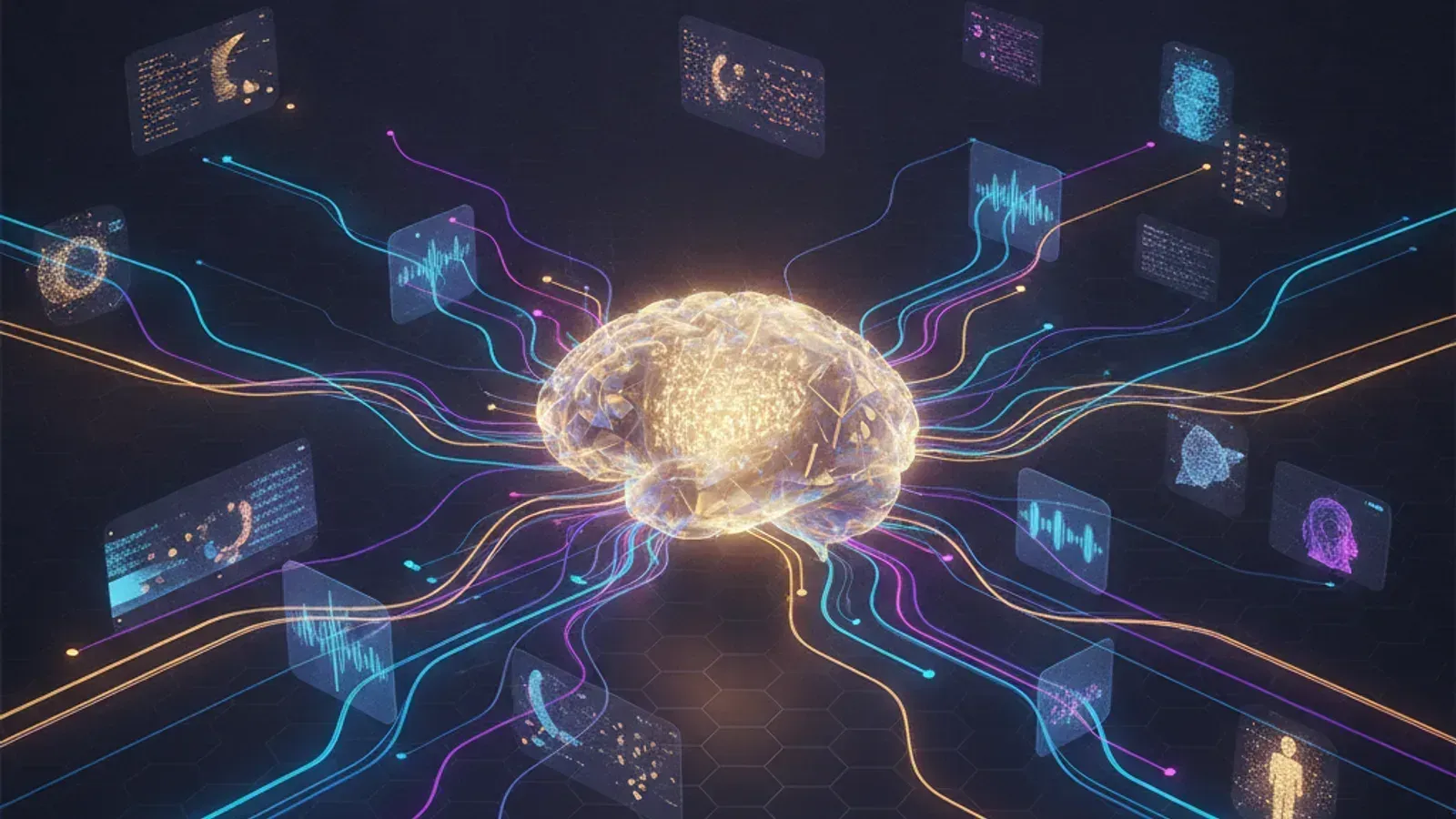
AI transforms raw data into structured insights, revealing patterns and sentiments that drive design decisions.
Elevating Research Design and Persona Development
Generating Personalized Research Questions
Beyond analysis, AI-powered insights also enhance the design of user research itself. Generative AI can assist in creating more targeted and personalized research questions. Based on initial survey responses or previous interview data, AI can suggest dynamic follow-up questions. These questions are tailored to explore specific nuances or contradictions in a participant's feedback. This ensures that every interaction yields the richest possible information, maximizing the value of each research session. It helps researchers delve deeper into unexpected areas, uncovering insights that might otherwise be overlooked.
Moreover, AI can help in hypothesis generation for new research studies. By analyzing existing product data, market trends, and prior research findings, AI can identify potential areas of interest or pain points. It can then propose specific hypotheses to test, along with relevant questions to validate them. This iterative process refines our understanding of the user landscape even before we conduct new studies. It ensures our research efforts are always focused on the most impactful questions. This allows for a more strategic and efficient approach to planning our research initiatives, making sure every question we ask counts.
# Example: AI prompt for generating follow-up research questions

def generatefollowupquestions(initialfeedback):
 prompt = f"Given the user feedback: '{initialfeedback}', generate 3-5 open-ended follow-up questions to understand the user's motivations and challenges better. Focus on their experience with [product feature] and their overall satisfaction."
 # In a real scenario, this would call a generative AI API
 # response = aimodel.generate(prompt)
 # return response.questions
 return ["What specifically about [feature] makes you feel that way?",
 "Can you describe a time when [problem] occurred?",
 "What would be an ideal solution for you in that situation?"]

# Usage example:
# feedback = "I find the new navigation confusing and it slows me down."
# questions = generatefollowup_questions(feedback)
# print(questions)
Crafting Comprehensive Personas
Persona development is another area where AI-powered insights shine brightly. Traditional persona creation often involves qualitative data, but can sometimes rely too heavily on researcher interpretation. AI can transform this process by drawing directly from a vast pool of user data. It analyzes interview transcripts, survey responses, analytics data, and even customer support interactions. From this wealth of information, AI can identify distinct user segments and synthesize their common behaviors, motivations, and pain points. This leads to truly data-driven personas, rich with details and grounded in actual user experiences. These personas are far more robust and representative of your actual user base.
These AI-generated personas go beyond basic demographics. They include nuanced insights into user goals, frustrations, and aspirations, creating a much more vivid picture of who we are designing for. This comprehensive understanding ensures that product decisions are informed by a holistic view of the user. It helps our teams empathize deeply with the target audience. The accuracy and depth provided by AI-driven persona development lead to more effective design strategies and ultimately, better products. For us at Kraavon, this means every deliverable is meant to be owned by your team long after we're gone, providing a solid foundation for future development.

AI synthesizes diverse user data to construct comprehensive, empathetic personas, guiding product design with precision.
At Kraavon, we embrace these advancements not as replacements for human expertise, but as powerful enhancements. We believe in working in small, senior teams where decisions stay fast and context never gets lost between design and code. AI-powered insights fit perfectly into this philosophy. They empower our designers and engineers to focus their valuable time on strategic thinking, creative problem-solving, and deep user empathy. We integrate AI tools into our workflow to automate the mundane and amplify human intelligence. This partnership allows us to deliver premium digital products that are not just functional, but truly intuitive and delightful for users. We use AI to gain a clearer understanding of your users, ensuring our strategies are always sharp and effective. You can learn more about our philosophy and approach on [our blog](/blog).
Ethical Considerations and the Future of Human-AI Collaboration
While AI offers incredible potential, it is important to approach its integration with thoughtful consideration. Ethical concerns around data privacy, algorithmic bias, and the responsible use of AI are paramount. We must ensure that AI tools are used to augment human research, not to diminish the human element. Researchers must remain in control, reviewing and validating AI-generated insights. Understanding the limitations of AI is as crucial as recognizing its strengths. Our role is to supervise, refine, and interpret the outputs, ensuring they align with human values and ethical standards. This human oversight guarantees that the products we design are not only efficient but also empathetic and inclusive.
The future of user research is undoubtedly a collaborative one, where human intuition and creativity are supercharged by AI efficiency. This synergy allows product design studios to explore new frontiers in understanding their users. It enables us to create products that are more responsive, more personalized, and more impactful than ever before. AI will continue to evolve, offering even more sophisticated ways to gather and interpret user feedback. By embracing these tools responsibly, Kraavon remains at the forefront of product innovation, always striving to deliver exceptional experiences. Our commitment is to leverage these powerful technologies to serve our clients and their users better, ensuring a brighter future for product development. This partnership approach empowers us all to build premium digital products with confidence.

The true power of AI in user research lies in its ability to amplify human expertise, fostering a collaborative environment for deeper insights.
Discover how Kraavon's blend of expert strategy, design, and engineering, powered by cutting-edge AI insights, can elevate your next digital product. We partner with founders and product teams to ship premium experiences. Let's build something exceptional together.