
General
Embracing the Infinite Canvas: Spatial Computing's Promise for Digital Products
Spatial computing is changing how we interact with digital experiences. We explore what this new frontier means for product design and development.
The digital world is expanding beyond our flat screens. We are entering an era where our digital experiences will blend seamlessly with our physical surroundings. This shift is what we call Designing for the Infinite Canvas. It represents a profound change for how we build and interact with technology.
For years, our digital products lived within rectangular frames: phone screens, tablet displays, and desktop monitors. These boundaries defined how we thought about user interfaces and interactions. But spatial computing breaks these limits entirely. It invites us to think in three dimensions, placing digital content directly into our physical space.
This isn't just about bigger screens. It's about a fundamental re-imagining of the user experience. As a studio focused on shipping premium digital products, we believe understanding this shift is crucial. It’s not a distant future; it's a present reality with platforms like Apple Vision Pro leading the way.
What is Spatial Computing, Really?
You might hear terms like 'virtual reality' (VR) or 'augmented reality' (AR). While related, spatial computing offers a broader, more integrated vision. It means digital content is aware of, and responsive to, your physical environment. It can exist alongside you, not just in a headset or overlaid on a screen.
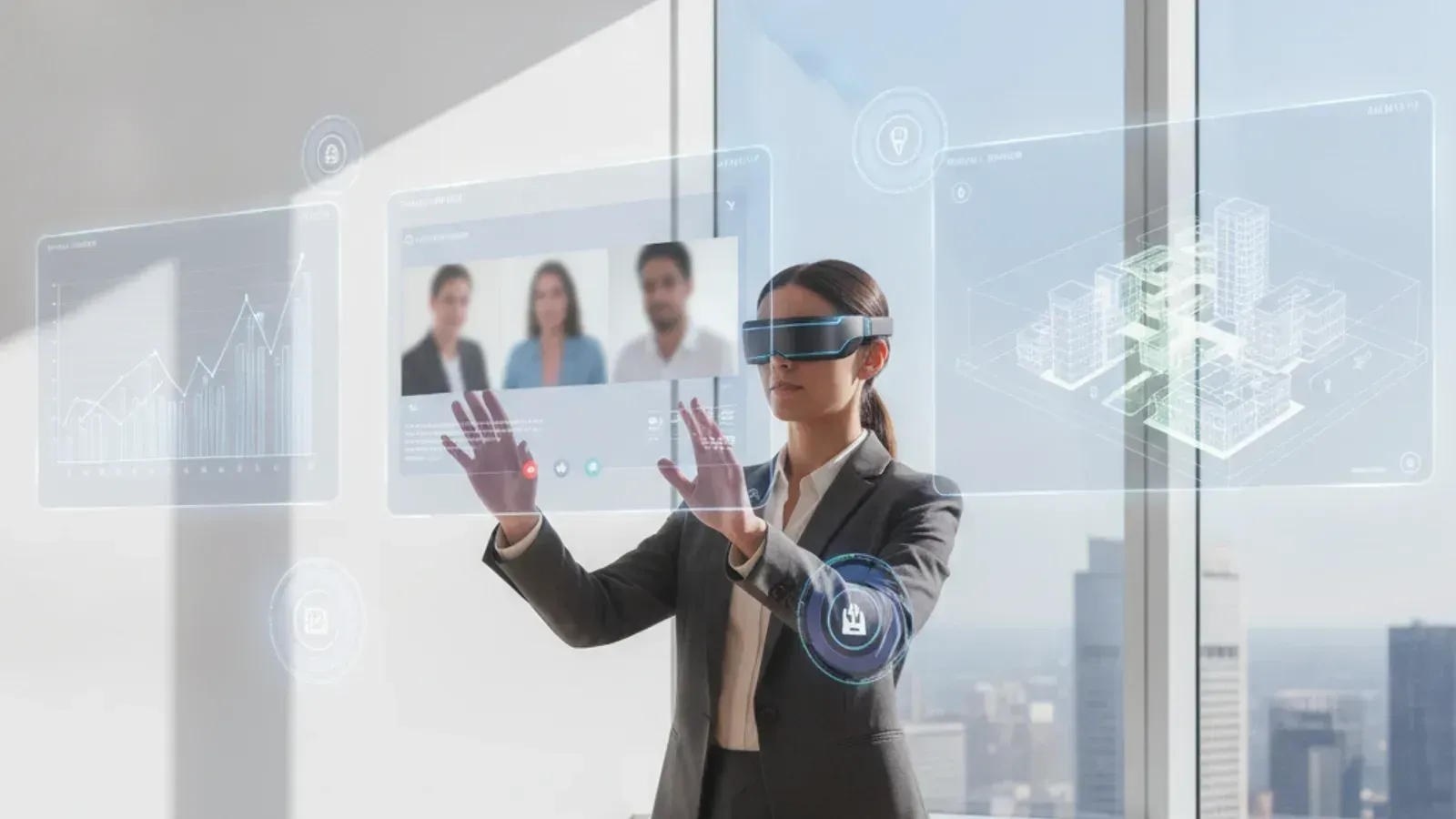
Imagine your spreadsheets floating over your desk. Or a collaborative design model appearing in your living room. The 'canvas' becomes your entire world. This changes everything for how users consume information and perform tasks. It requires a new way of thinking for designers and engineers alike.
Instead of being immersed in an entirely different digital world (like VR), spatial computing often aims for presence. You remain aware of your physical surroundings. Digital elements enhance, rather than replace, your real world. This hybrid approach unlocks immense potential for productivity, entertainment, and connection.
Beyond the Headset: A New Paradigm
Spatial computing isn't just about the hardware. It's about a paradigm shift in how we conceive of applications. Traditional apps are contained. Spatial apps are expansive. They consider space, depth, and context in ways never before possible.
This means moving past flat UI elements. We must now design for 'volumes' and 'windows' that can float, resize, and interact in three dimensions. The user's gaze, hand gestures, and even their physical position become primary input methods. It's a rich, intuitive, and deeply personal experience.
New Principles for a New Dimension: Designing in Spatial Environments
When we design for spatial computing, we can't just port existing 2D interfaces. That approach often leads to clumsy, uncomfortable experiences. Instead, we need to embrace new core principles. These principles guide us in creating truly intuitive and impactful spatial products.
Intuitive Interaction Models
The mouse and keyboard defined desktop computing. Touch defined mobile. For spatial computing, new interaction models take center stage. Gaze, pinch gestures, and voice commands are primary inputs. Designing for these requires a deep understanding of human perception and movement.
- Gaze: Where the user looks often indicates intent. We can use this for targeting, selection, and even subtle feedback.
- Pinch Gestures: Simple, natural hand movements replace clicks and taps. Think about 'pinching' to select, drag, or resize elements.
- Voice Commands: Natural language becomes a powerful tool. It allows for quick actions and complex queries without breaking immersion.
- Physical Movement: The user's position and orientation in space can also drive interactions, adding another layer of context.
These models demand precise design. We need clear visual cues to show what is interactive. Feedback must be immediate and satisfying. Poorly designed spatial interactions can quickly lead to user frustration or fatigue.
UI/UX Paradigms: Windows, Volumes, and Immersion
Forget fixed screens. In spatial computing, interfaces can be 'windows' that float in your space, or 'volumes' that are full 3D objects. Apps can even create fully immersive environments. Each paradigm has its strengths and best use cases.
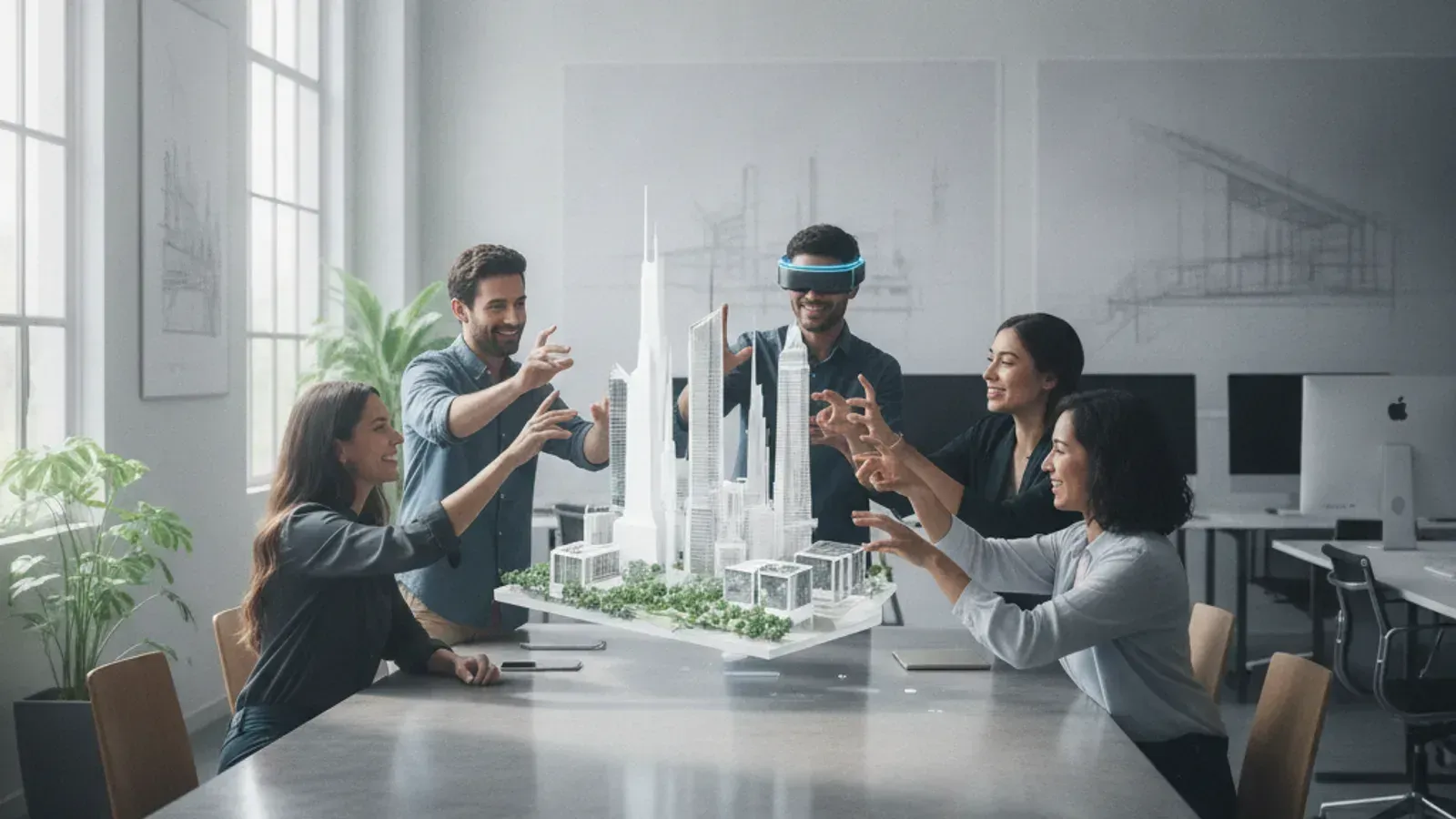
- Shared Canvas: Multiple users can interact with the same digital objects in a shared physical space, fostering collaboration.
- Contextual Awareness: Digital elements can respond to real-world objects, light, and sounds, creating truly intelligent experiences.
- Seamless Transitions: Moving between different levels of immersion (from a floating window to a full VR environment) should feel natural and effortless.
We consider how these elements behave in 3D space. Do they cast shadows? How do they react to lighting conditions? What happens when a user walks away? These questions are fundamental to designing believable and functional spatial experiences. The 'infinite canvas' is not just vast; it's also deeply interconnected with the real world.
Motion sickness or eye strain can ruin a spatial experience. Prioritize stable, predictable movements and clear visual hierarchy. Comfort is king in this new medium.
Content Strategy in a Spatially Aware World
The content we create for spatial platforms must also evolve. It's no longer enough to display text or images on a flat plane. We need to think about how content occupies space, tells a story, and provides utility in three dimensions. This opens up incredible creative possibilities.
Beyond 2D Screens: The Power of 3D Content
Imagine educational apps that let you dissect a virtual heart. Or e-commerce experiences where you can 'try on' furniture in your home. The power of 3D content in spatial computing is immense. It moves from abstract representation to tangible presence. This level of immersion fosters deeper understanding and engagement.
However, 3D content also brings new challenges. Performance optimization, asset creation, and ensuring visual consistency are critical. We must balance richness with efficiency. We also need to consider how existing 2D content (like web pages or videos) integrates gracefully into a spatial environment.
Contextual and Adaptive Experiences
Spatial computing thrives on context. An app should know where you are, what you're doing, and even who you're with. This allows for highly adaptive and personalized experiences. Content can appear when and where it's most relevant, minimizing distraction and maximizing utility.
- Location-aware Content: Digital guides appearing in a museum, or relevant product information while shopping.
- Task-specific Information: Instructions floating next to a complex machine for maintenance, or recipes over your kitchen counter.
- Social Context: Shared experiences where multiple users interact with the same digital objects, seeing each other's actions in real-time.
Developing for this adaptive future requires robust data strategies and thoughtful privacy considerations. The goal is to enhance reality, not overwhelm it. The most effective spatial experiences feel natural, almost magical, because they anticipate your needs.
The most powerful technology is that which disappears.
Embracing the Future: What This Means for Product Studios
For product studios like Kraavon, spatial computing is not just a trend. It's a new frontier of innovation. It requires a blend of strategic thinking, advanced design principles, and cutting-edge engineering. We believe success in this space comes from a deep partnership approach.
Most teams don’t need another vendor handing off files. They need a partner who can move from strategy to a shipped product without losing the thread. This is especially true in a nascent, complex field like spatial computing. Our small, senior teams ensure decisions stay fast and context never gets lost.
Building compelling spatial products means moving quickly from initial concepts to working prototypes. It means iterative design, rigorous testing, and a focus on core user needs. We help founders and product teams navigate these complexities. We ensure their vision translates into a premium, functional experience.

The Kraavon Approach to Spatial Product Development
Our process for spatial computing projects mirrors our core philosophy. We start with understanding the why behind your product. What problem are you solving? Who are your users? What unique advantage does spatial computing offer for your specific use case? This strategic foundation is paramount.
- Strategic Visioning: Defining the core problem and opportunity spatial computing addresses for your product.
- Concept & Prototyping: Rapidly exploring interaction models and UI paradigms in 3D space.
- Experience Design: Crafting intuitive, comfortable, and engaging spatial user journeys.
- Technical Architecture: Building robust, performant systems optimized for spatial hardware.
- Iterative Development: Continuous testing and refinement based on user feedback.
We don’t just build; we build with you. Every engagement is tailored to your product, not a template. The goal is always a deliverable that your team can own and evolve long after we’re gone. This ensures your investment in spatial computing has lasting value.
The journey of Designing for the Infinite Canvas is just beginning. There will be new challenges and incredible discoveries. Partnering with a studio that understands both the strategic vision and the technical nuances is key to navigating this exciting new landscape successfully. If you're ready to explore what spatial computing can do for your product, let's connect. You can learn more about our approach on [our services page](/services).
The infinite canvas awaits your ideas. Let's discuss how spatial computing can transform your product and engage your users in entirely new ways.