
General
WebGL and Three.js: When to Build 3D Experiences (And When to Stick to 2D)
Bringing 3D to the web offers powerful engagement, but it requires careful consideration. Discover when WebGL and Three.js are the right tools and when simpler solutions make more sense for your product.
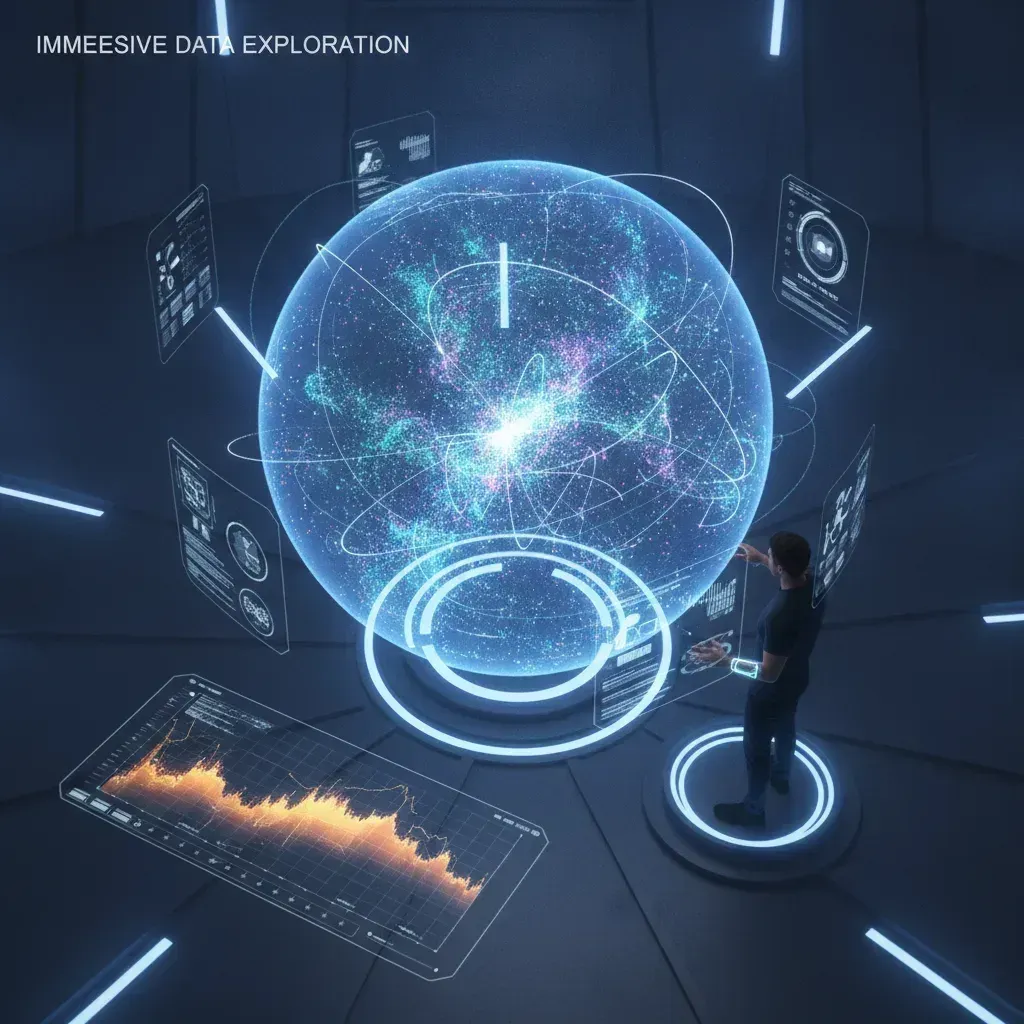
The decision of when to add 3D to your website using WebGL and Three.js is a strategic one. It goes beyond simply making something look cool. As product designers and engineers, we always ask: does this technology truly serve the user and the business goals? Three-dimensional web experiences can be incredibly immersive and engaging. However, they also come with significant technical considerations and potential trade-offs. This guide will help you navigate that complex decision.
At Kraavon, we partner with product teams to ship premium digital products. This means moving from strategy to a shipped product without losing context. Our goal is to ensure every technical choice, including integrating 3D, aligns perfectly with your overall product vision and delivers tangible value. We help you weigh the benefits against the complexities.
The Power of WebGL and Three.js: What They Offer
Before we discuss when to use them, let us first define what WebGL and Three.js are. Understanding their capabilities is key to making informed decisions. These technologies unlock advanced visual possibilities directly within a web browser, without plugins.
What is WebGL?
WebGL, which stands for Web Graphics Library, is a JavaScript API. It renders interactive 2D and 3D graphics within any compatible web browser. It does this without the need for additional plugins. WebGL is built on OpenGL ES, a low-level graphics API. This means it gives developers direct access to the user's graphics processing unit (GPU). This direct access allows for highly optimized and performant rendering. It can be quite complex to work with directly, though, due to its low-level nature.
What is Three.js?
Three.js is a high-level JavaScript library. It simplifies working with WebGL significantly. Instead of writing complex shader code and managing raw buffer data, Three.js provides an intuitive API. Developers can easily create, display, and animate 3D content. It handles many of the intricate details of WebGL under the hood. This makes 3D development much more accessible to a broader range of web developers. It includes renderers, scenes, cameras, lights, and a comprehensive set of 3D objects.
The combination of WebGL's raw power and Three.js's developer-friendliness creates a potent toolset. You can build stunning, interactive 3D experiences. These experiences run directly in the browser. The browser becomes a canvas for rich, dynamic content.
- Visual Impact: 3D graphics can grab attention and convey complex information in a more engaging way than static images or text.
- Interactivity: Users can manipulate objects, explore environments, and customize views. This creates a highly personalized experience.
- Unique User Experiences: 3D can differentiate a product or brand. It offers memorable interactions that stand out from competitors.
- Rich Storytelling: Immersive 3D scenes can tell stories more effectively. They create emotional connections with the user.
- Direct Browser Execution: No downloads or special software are needed. This lowers the barrier to entry for users.
Here is a very basic example of setting up a Three.js scene. It shows how little code is needed to get started with a fundamental 3D render.
import * as THREE from 'three';

const scene = new THREE.Scene();
const camera = new THREE.PerspectiveCamera(75, window.innerWidth / window.innerHeight, 0.1, 1000);
const renderer = new THREE.WebGLRenderer();
renderer.setSize(window.innerWidth, window.innerHeight);
document.body.appendChild(renderer.domElement);

const geometry = new THREE.BoxGeometry(1, 1, 1);
const material = new THREE.MeshBasicMaterial({ color: 0x00ff00 });
const cube = new THREE.Mesh(geometry, material);
scene.add(cube);

camera.position.z = 5;

function animate() {
 requestAnimationFrame(animate);

 cube.rotation.x += 0.01;
 cube.rotation.y += 0.01;

 renderer.render(scene, camera);
}
animate();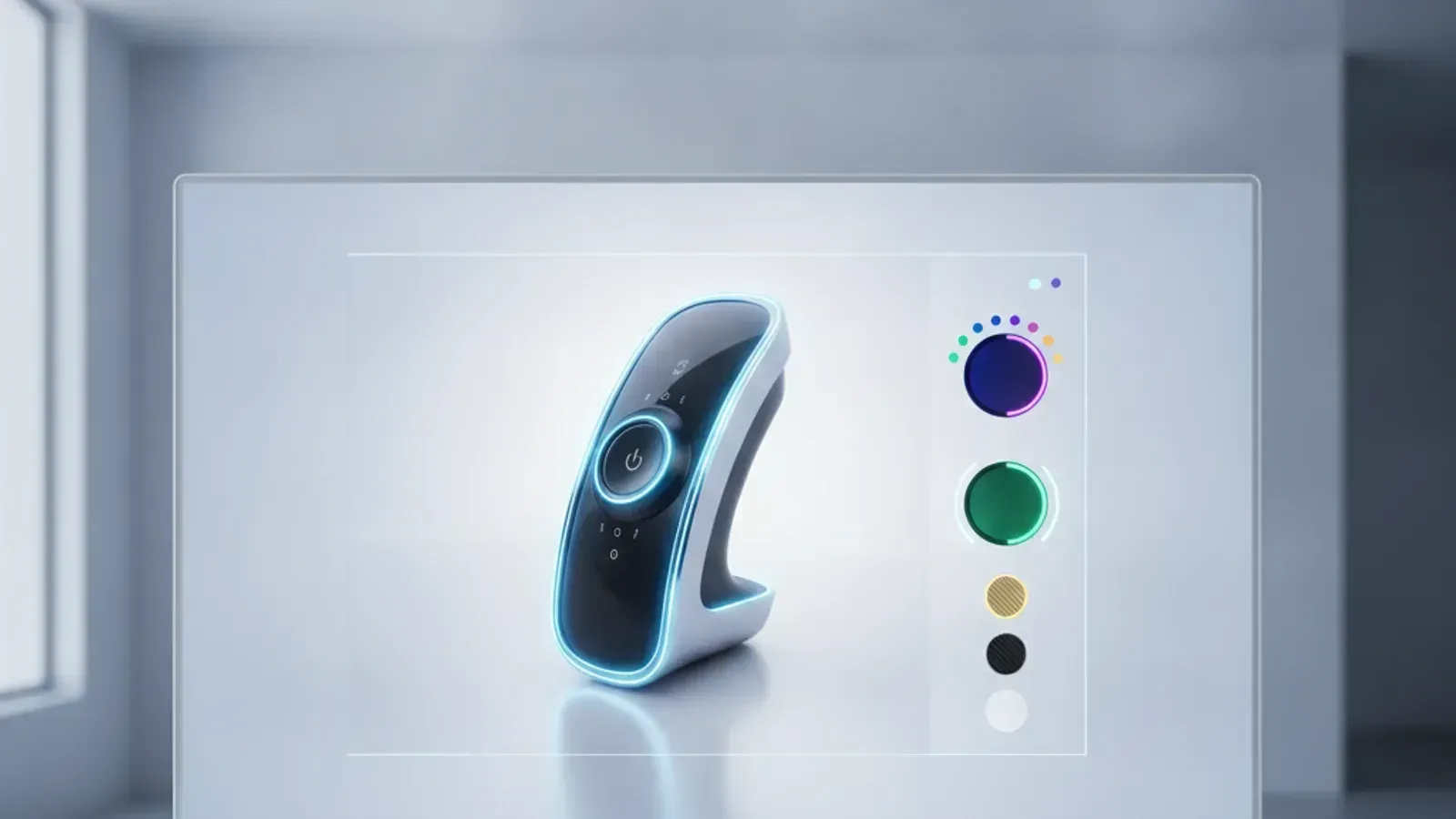
Interactive 3D configurators allow users to customize products in real time, enhancing engagement and pre-purchase confidence.
When to Bring 3D to Your Website (Compelling Use Cases)
Now that we understand the tools, let us explore the scenarios where WebGL and Three.js truly shine. These are situations where 3D adds undeniable value. It transforms a standard web experience into something memorable and effective. The key is always to tie the technology back to a clear product or business objective.
- Interactive Product Configurators: If your product has many customizable options (colors, materials, components), 3D is ideal. Users can see their choices applied in real-time. This reduces uncertainty and boosts confidence in their purchase decision. Think car configurators or customizable furniture.
- Immersive Brand Storytelling: For brands selling premium or complex products, 3D can create an emotional connection. It builds a sense of discovery. Imagine exploring a virtual showroom or an interactive timeline of a company's history. This goes beyond static marketing material.
- Data Visualization: When dealing with multi-dimensional datasets, 3D can reveal patterns and relationships. These are often hidden in 2D charts. Think of geospatial data, scientific simulations, or complex network graphs. Interactive 3D allows users to manipulate and understand data better.
- Educational Tools and Simulations: For learning platforms or technical documentation, 3D models offer unparalleled clarity. Users can rotate, zoom, and dissect complex machinery or biological structures. This makes abstract concepts tangible and easier to grasp.
- Gamification and Entertainment: If your website aims to be entertaining or includes game-like elements, 3D is a natural fit. Simple mini-games, interactive puzzles, or engaging animated transitions can captivate users. They can extend dwell time significantly.
In these cases, the return on investment (ROI) for developing 3D content can be substantial. It translates into higher engagement, better conversion rates, or improved user understanding. When considering WebGL and Three.js, always ask: Does 3D solve a real user problem or significantly enhance their experience in a way 2D cannot? If the answer is yes, then it is a strong candidate.
Case Study Example: Interactive Product Views
Consider an e-commerce site for high-end watches. Static images, even high-resolution ones, cannot convey the craftsmanship. They cannot show the subtle reflections, or the intricate movement of components. A 3D model, however, allows users to rotate the watch. They can zoom in on the gears, and even change the strap material. This immersive experience bridges the gap between online browsing and physical interaction. It helps justify a premium price point. This is a prime example of when to add 3D to your website.
// Example: Adding interaction to a 3D model
const controls = new OrbitControls(camera, renderer.domElement);
controls.enableDamping = true; // smooth camera movement
controls.dampingFactor = 0.25;
controls.screenSpacePanning = false;
controls.maxPolarAngle = Math.PI / 2;

// In your animate function:
function animate() {
 requestAnimationFrame(animate);
 controls.update(); // only required if controls.enableDamping is set to true
 renderer.render(scene, camera);
}
Integrating 3D is more than just technical work. It requires strategic thinking. Kraavon ensures that your 3D implementation aligns with your overall product strategy. We focus on delivering real business value, not just impressive visuals. We start with understanding your goals, not just your tech stack. This ensures every deliverable is meant to be owned by your team long after we are gone.
When to Avoid 3D on Your Website (Potential Pitfalls)
While 3D offers many advantages, it is not a universal solution. There are critical situations where the overhead outweighs the benefits. Choosing to avoid 3D is often the smarter product decision. This approach aligns with Kraavon's philosophy of pragmatic innovation. We prioritize effective solutions over simply using the latest technology. This helps ensure your product is performant, accessible, and maintainable.
- Performance Concerns: 3D models, especially high-fidelity ones, can be very large. They require significant processing power to render. This leads to longer load times and slower frame rates. Users with older devices or slower internet connections will have a poor experience. Performance is often the biggest hurdle.
- Development Complexity and Cost: Building and optimizing 3D content requires specialized skills. It often needs dedicated 3D artists and experienced WebGL/Three.js developers. This increases development time and budget. Maintaining 3D assets can also be more complex than 2D assets.
- Accessibility Issues: 3D content can pose challenges for users with disabilities. Screen readers cannot easily interpret complex visual scenes. Navigation might be difficult for users relying on keyboard-only input. Ensuring full accessibility requires extra effort and careful design.
- SEO Challenges: Search engines primarily index text content. A page heavy on 3D visuals and light on crawlable text can struggle with SEO. While modern search engines are smarter, visual-heavy pages might still face hurdles. Slower load times also negatively impact SEO rankings.
- Battery Drain on Mobile Devices: Rendering complex 3D graphics is resource-intensive. On mobile devices, this can quickly deplete battery life. A user might close your site if it drains their phone battery too fast. This creates a negative user experience.
- When 2D is Sufficient: Sometimes, a simple 2D image, video, or animation conveys the message perfectly. Adding 3D in these cases is unnecessary. It adds complexity without proportional gain. Do not use 3D just for the sake of using 3D. Always prioritize clarity and efficiency.
The key takeaway here is to assess the true need. If 2D can achieve your goals just as effectively, then it is often the better, more efficient choice. Adding 3D to your website demands a clear value proposition.
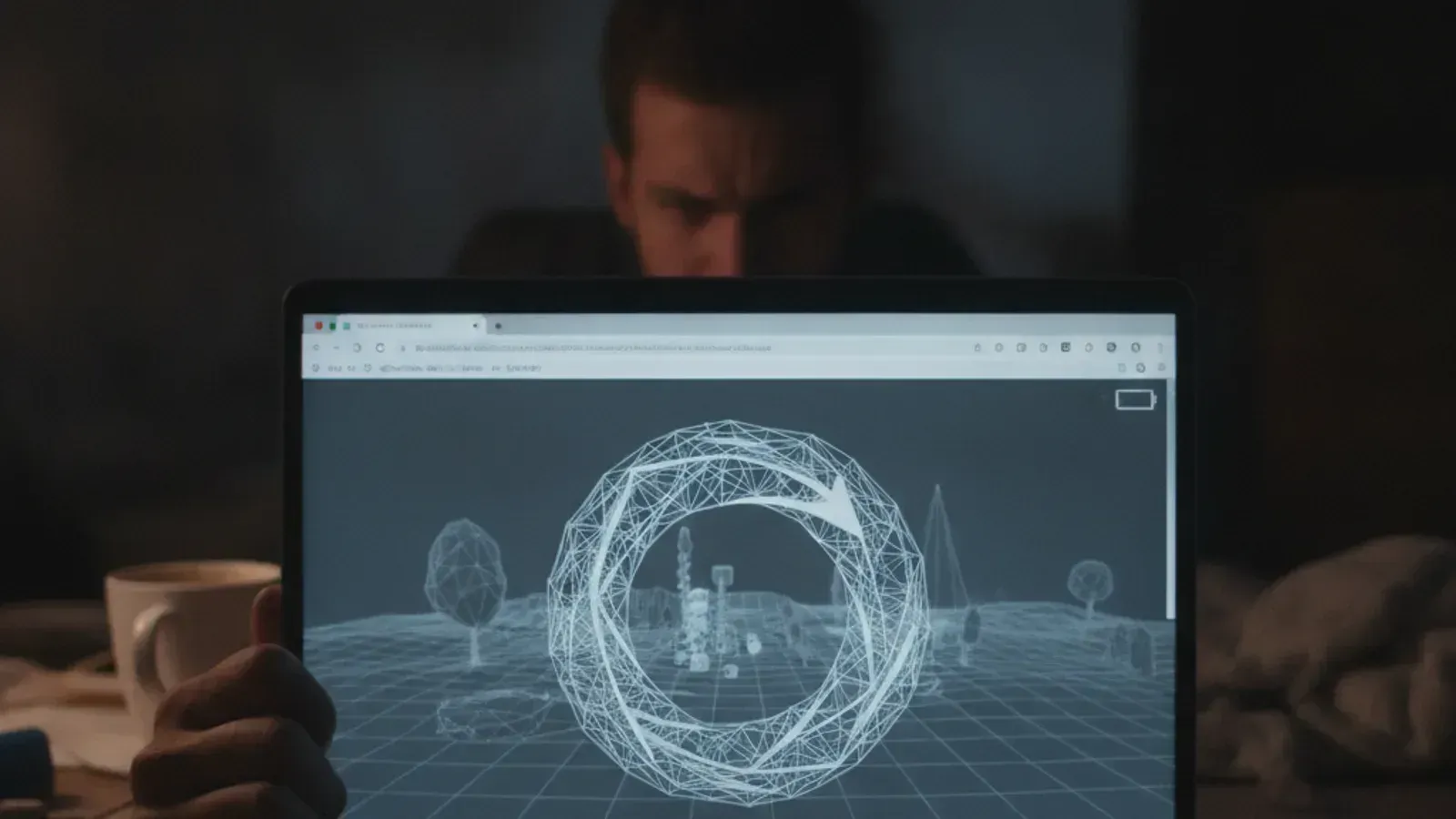
Unoptimized 3D experiences can lead to frustratingly long load times and significant battery drain, especially on mobile devices.
Performance Optimization Strategies
If you do decide to implement 3D, optimization is paramount. Here are some strategies to mitigate performance issues:
- Model Optimization: Reduce polygon counts in your 3D models. Use efficient texture maps. Compress assets where possible. Tools like Blender or online optimizers can help significantly. Every vertex and texture byte counts.
- Lazy Loading: Load 3D assets only when they are needed. Do not load everything on initial page load. This reduces the initial page weight. It improves perceived performance. Use intersection observers to trigger loads.
- Level of Detail (LOD): Implement different versions of your 3D models. Use high-detail models when the camera is close. Swap to lower-detail models when the camera is far away. Three.js has built-in LOD support for this.
- Instancing: For repetitive objects (e.g., a forest of trees), render multiple instances of the same geometry. This is more efficient than rendering each object individually. Three.js offers
InstancedMeshfor this purpose. - Web Workers: Offload heavy computations, like parsing large 3D models, to Web Workers. This prevents blocking the main thread. It keeps the user interface responsive. This is crucial for complex scenes.
- Shader Optimization: Write efficient shaders. Avoid complex calculations where simpler ones will suffice. Optimize lighting and shadow calculations. This reduces the GPU load significantly.
// Example: Implementing Level of Detail (LOD) in Three.js
const lod = new THREE.LOD();

const material = new THREE.MeshBasicMaterial({ color: 0xff0000 });

// Level 0: High detail, close distance
const geometry0 = new THREE.BoxGeometry(1, 1, 1, 10, 10, 10);
const mesh0 = new THREE.Mesh(geometry0, material);
lod.addLevel(mesh0, 0); // Add at distance 0

// Level 1: Medium detail, medium distance
const geometry1 = new THREE.BoxGeometry(1, 1, 1, 5, 5, 5);
const mesh1 = new THREE.Mesh(geometry1, material);
lod.addLevel(mesh1, 10); // Add at distance 10

// Level 2: Low detail, far distance
const geometry2 = new THREE.BoxGeometry(1, 1, 1, 1, 1, 1);
const mesh2 = new THREE.Mesh(geometry2, material);
lod.addLevel(mesh2, 20); // Add at distance 20

scene.add(lod);
// The LOD system automatically chooses the best mesh based on camera distance.
Making the Right Decision: A Strategic Framework
Deciding whether to add 3D to your website should never be a gut feeling. It requires a structured approach. At Kraavon, we guide our partners through a careful evaluation process. This ensures every technical choice is a strategic one. We want to build products that are impactful, sustainable, and truly premium. We avoid introducing complexity without a clear benefit.
- User Needs and Expectations: Who are your users? What kind of experience do they expect? Will 3D genuinely enhance their journey? Or will it merely add unnecessary load and frustration? User research is crucial here. Focus on real pain points or unmet needs.
- Project Goals and Budget: What specific business goals will 3D help achieve? Is it increased conversion, higher engagement, or better brand perception? Do you have the budget for specialized talent and the longer development cycles? Be realistic about the resources required.
- Technical Capabilities of the Team: Does your internal team have the skills to build and maintain 3D experiences? If not, are you prepared to partner with experts? Building a robust 3D web experience is not a trivial task. It requires specific expertise.
- Maintenance and Scalability: How will the 3D content be updated or expanded in the future? Is your chosen approach scalable? Consider the long-term implications of adopting 3D. Think about future iterations and content updates.
- Competitive Landscape: Are your competitors using 3D? If so, how can you differentiate? If not, is there a first-mover advantage? Or is there a reason they are not using it? This can reveal market insights. Sometimes, simple differentiation is enough.
By asking these questions, you build a comprehensive picture. You move beyond technological fascination. You arrive at a decision rooted in product strategy and user value. This approach is fundamental to how Kraavon operates. We believe that innovation must be purposeful.
The Kraavon Difference: Partnering for Impact
Most teams do not need another vendor handing off files. They need a partner who can move from strategy to a shipped product. This happens without losing the thread between design and engineering. This is exactly where Kraavon excels. We work in small, senior teams. This keeps decisions fast. It ensures context never gets lost. This applies whether we are debating the merits of a particular JavaScript framework or deciding when to add 3D to your website.
Every engagement is built around your product, not a template. Every deliverable is meant to be owned by your team. We help you make these critical technology decisions. We ensure they serve your long-term success. Our expertise spans strategy, design, and engineering. This allows us to offer a holistic perspective. We can fully assess the implications of WebGL and Three.js for your unique product.
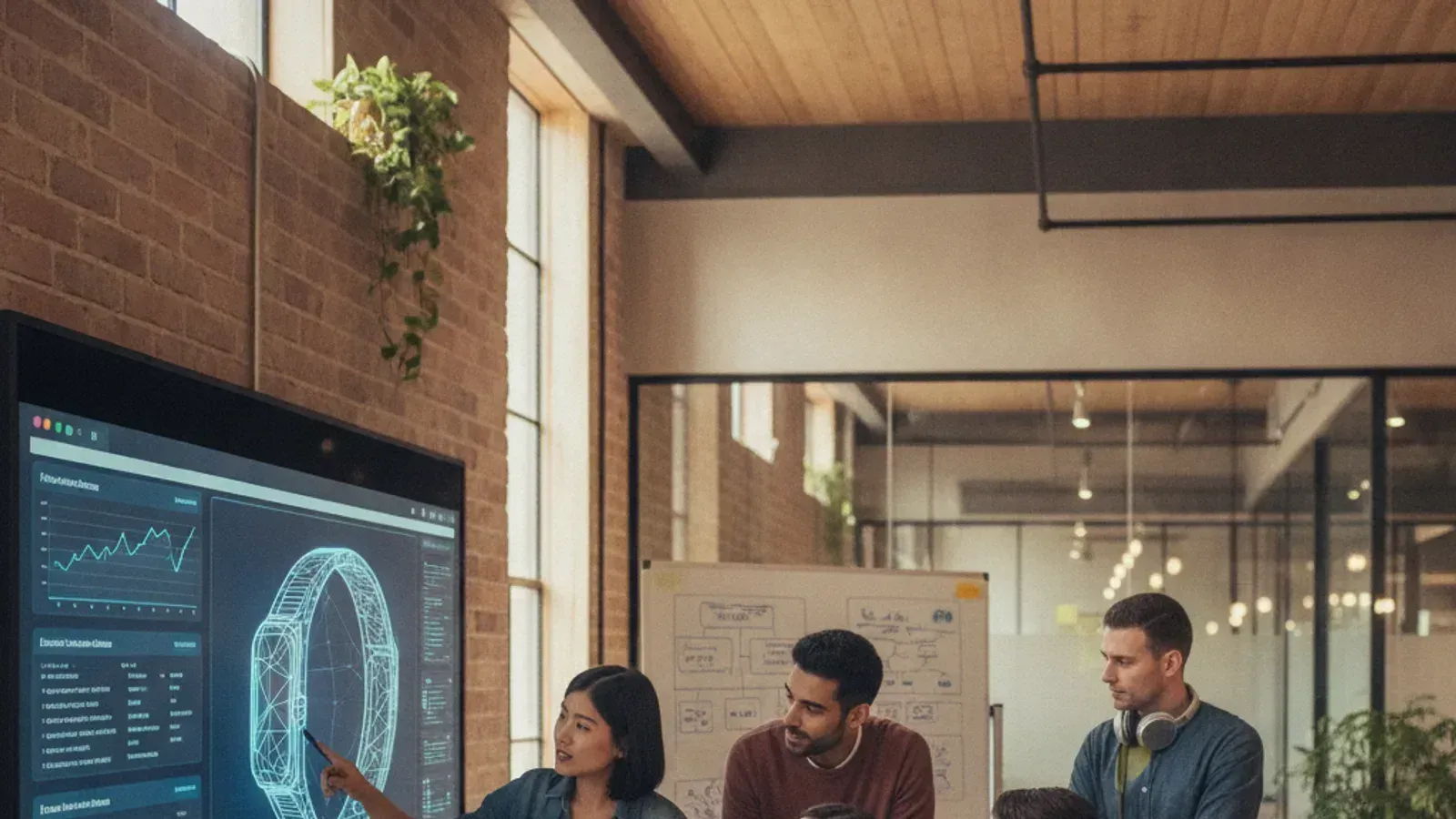
At Kraavon, our senior teams work together from strategy to execution, ensuring every technical decision, including 3D integration, aligns with your product goals.
Navigating the complexities of modern web development, especially with advanced technologies like WebGL and Three.js, can be daunting. If you are considering a 3D experience for your product, or need help making strategic technology choices, we are here to help. [Reach out to us](/contact) to discuss your project. We can provide the clarity and expertise you need.
Conclusion: Purposeful 3D for Impactful Products
The choice of when to add 3D to your website with WebGL and Three.js is a significant one. It carries both immense potential and considerable challenges. When used thoughtfully and strategically, 3D can elevate your product. It creates memorable, interactive experiences that truly stand out. It can drive engagement and achieve specific business objectives. However, it is not a magic bullet. Poorly implemented 3D can harm performance. It can frustrate users. It can lead to unnecessary development costs.
Our advice is always to start with the 'why'. Why do you believe 3D will benefit your users and your business? How does it align with your overall product strategy? If you can answer these questions clearly and have a robust plan for implementation and optimization, then 3D is a powerful tool. If not, simpler solutions may be more effective. At Kraavon, we help you ask the right questions and build the right solutions. We ensure that every piece of your product works together seamlessly. This creates premium experiences that last.
Whether it is a groundbreaking 3D experience or a highly performant 2D application, Kraavon partners with you to bring premium digital products to life. Let us discuss how our strategic approach to design and engineering can help your vision take shape.