
General
Beyond the Legacy Wall: Why Businesses are Moving to a Headless CMS
Many businesses find their traditional content management systems struggling to keep pace with modern digital demands. Discover how a headless CMS offers the speed, flexibility, and security needed for today's dynamic online world.
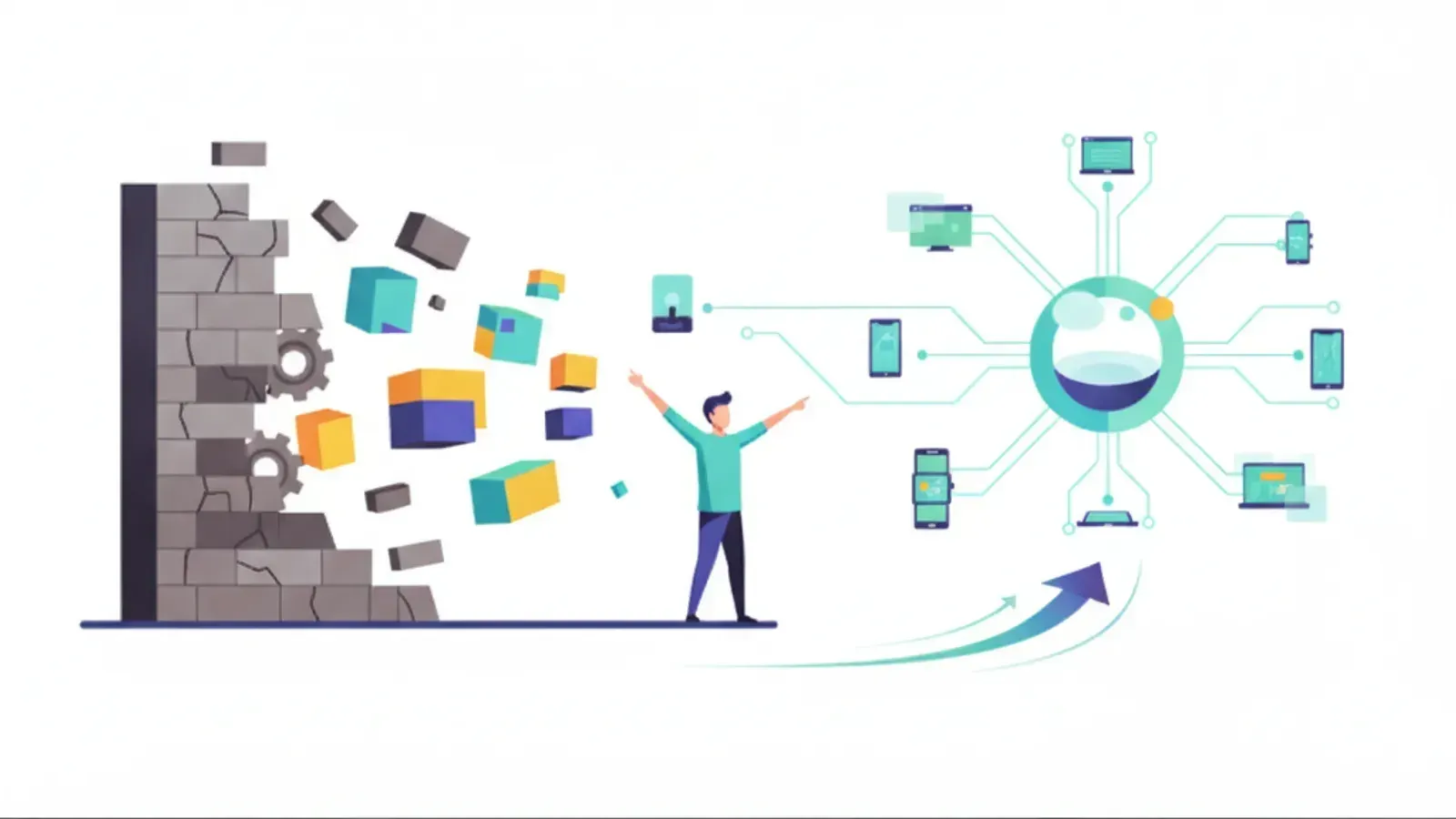
Imagine a small, but once bustling, online boutique called 'The Crafty Corner'. For years, they relied on their trusty, traditional content management system (CMS) to manage everything. It had served them well, but as the digital world evolved, so did their frustrations. Their website loads were sluggish, customers complained, and sales dipped. The marketing team struggled to push new content to their social channels and new app, which felt like trying to fit a square peg into a round hole. Security updates became a constant headache, and every new feature request from their founder meant lengthy, expensive development cycles. This scenario, unfortunately, is a common reason why businesses are moving to a headless CMS.
Many companies find themselves in a similar predicament. Their digital ambitions outgrow the rigid structures of their legacy systems. They want to be fast, secure, and everywhere their customers are, but their current CMS is holding them back. The limitations become glaringly obvious, leading to missed opportunities and a drain on resources.
Unlocking Agility: What Exactly is a Headless CMS?
At its core, a headless CMS is a content management system where the 'head' (the front-end, or presentation layer, like your website's visual theme) is completely decoupled from the 'body' (the back-end, which stores and manages your content). Unlike traditional, monolithic systems where content and presentation are intertwined, a headless CMS focuses solely on content creation, storage, and delivery. It serves this raw content, such as text, images, and videos, via an API (Application Programming Interface) to any digital platform you choose, without dictating how that content looks or functions.
This separation is key. It means your content becomes a highly flexible asset. It is ready to be delivered to websites, mobile apps, smart devices, wearable tech, and even AI-driven experiences, all from a single source. This fundamental shift provides immense freedom and power, which is a significant factor in why businesses are moving to a headless CMS.
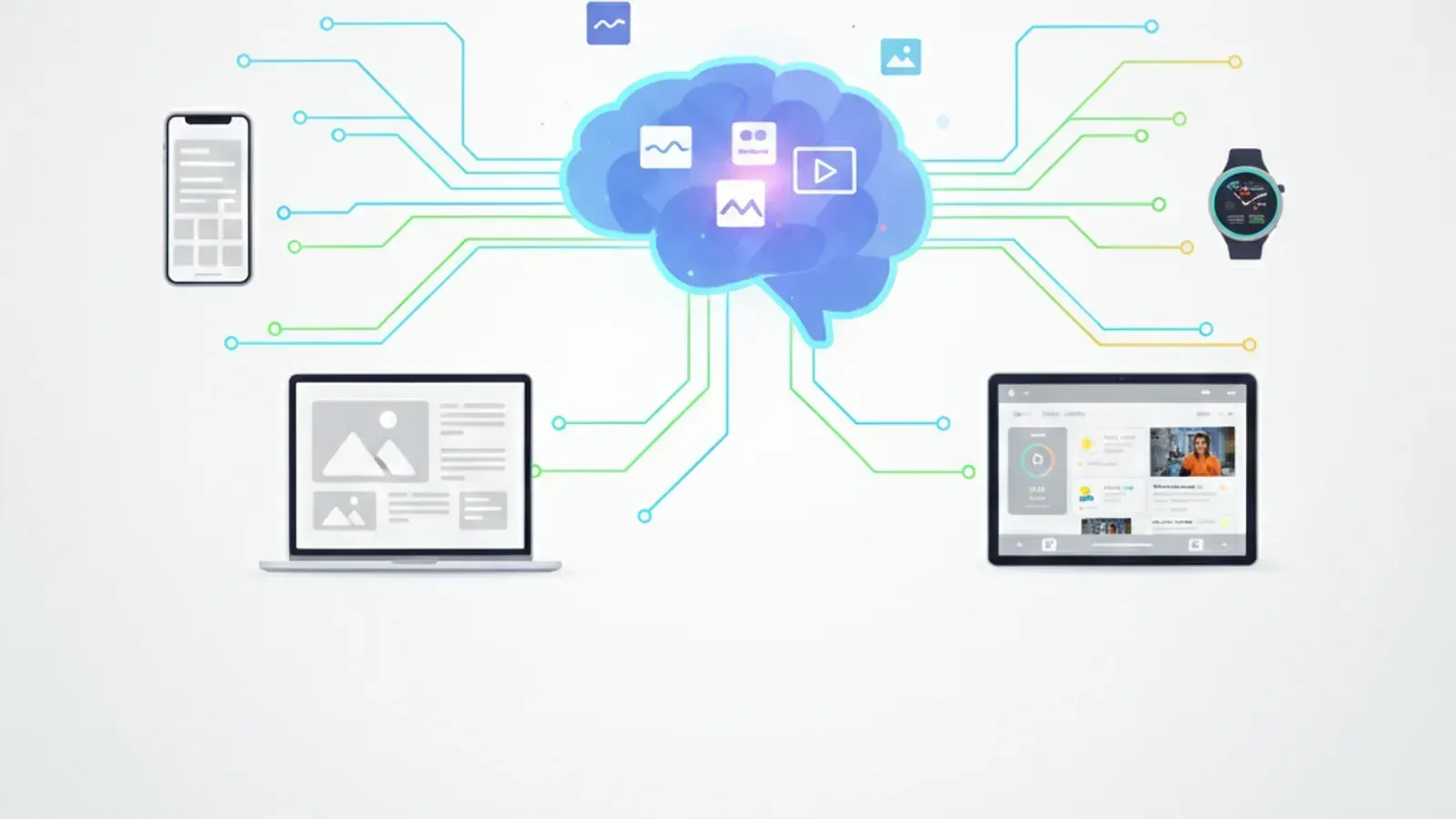
A headless CMS separates content from presentation, allowing flexible delivery to any platform.
The Tangible Benefits: Why Headless Wins
The advantages of a headless architecture are numerous and directly address the pain points faced by 'The Crafty Corner' and many other businesses.
Faster Performance and Superior SEO
Traditional CMS platforms often come with bloat; layers of plugins, themes, and server-side rendering can slow down a website significantly. A headless setup allows developers to build extremely lightweight, custom front-ends using modern frameworks like React, Vue, or Next.js. These frameworks render pages quickly on the user's device, leading to lightning-fast load times. Faster sites mean happier users and, crucially, better search engine rankings.
Google's Core Web Vitals, which measure loading performance, interactivity, and visual stability, are heavily influenced by site speed. A headless CMS empowers you to optimise these metrics to a degree simply not possible with many traditional systems. Improved Core Web Vitals directly translate to better SEO, increased visibility, and higher conversion rates. This performance boost is a compelling reason why businesses are moving to a headless CMS.
Fortified Security
WordPress, for example, is a popular target for hackers due to its widespread use and vast ecosystem of plugins and themes, each a potential vulnerability. With a headless CMS, your content is served via an API, decoupling the content repository from the public-facing website. This separation significantly reduces the attack surface.
There is no direct database access from the front-end, and the administrative interface is typically hosted separately, often behind stricter security measures. This architectural choice makes your digital presence inherently more secure, providing peace of mind for both you and your customers. Security is paramount for any online business, cementing another reason why businesses are moving to a headless CMS.
Unleashed Flexibility and Multi-Channel Reach
The 'head' of your CMS determines where and how your content is displayed. By removing this constraint, a headless approach gives you unparalleled freedom. You are no longer tied to a specific technology stack for your front-end. You can use the latest and greatest frameworks, innovate with new user experiences, and integrate with any third-party service you need.
- Website: Build a blazing-fast, custom website.
- Mobile Apps: Power iOS and Android applications with the same content.
- Smart Devices: Deliver content to smart speakers, watches, and IoT devices.
- Digital Signage: Manage content for in-store displays.
- AI-Driven Experiences: Feed your content directly into AI models for personalised recommendations or conversational interfaces.
This ability to publish content to any channel, from a single source, is incredibly powerful. It ensures brand consistency and drastically reduces the effort required to manage content across a fragmented digital landscape. This multi-channel capability is a core driver for why businesses are moving to a headless CMS.
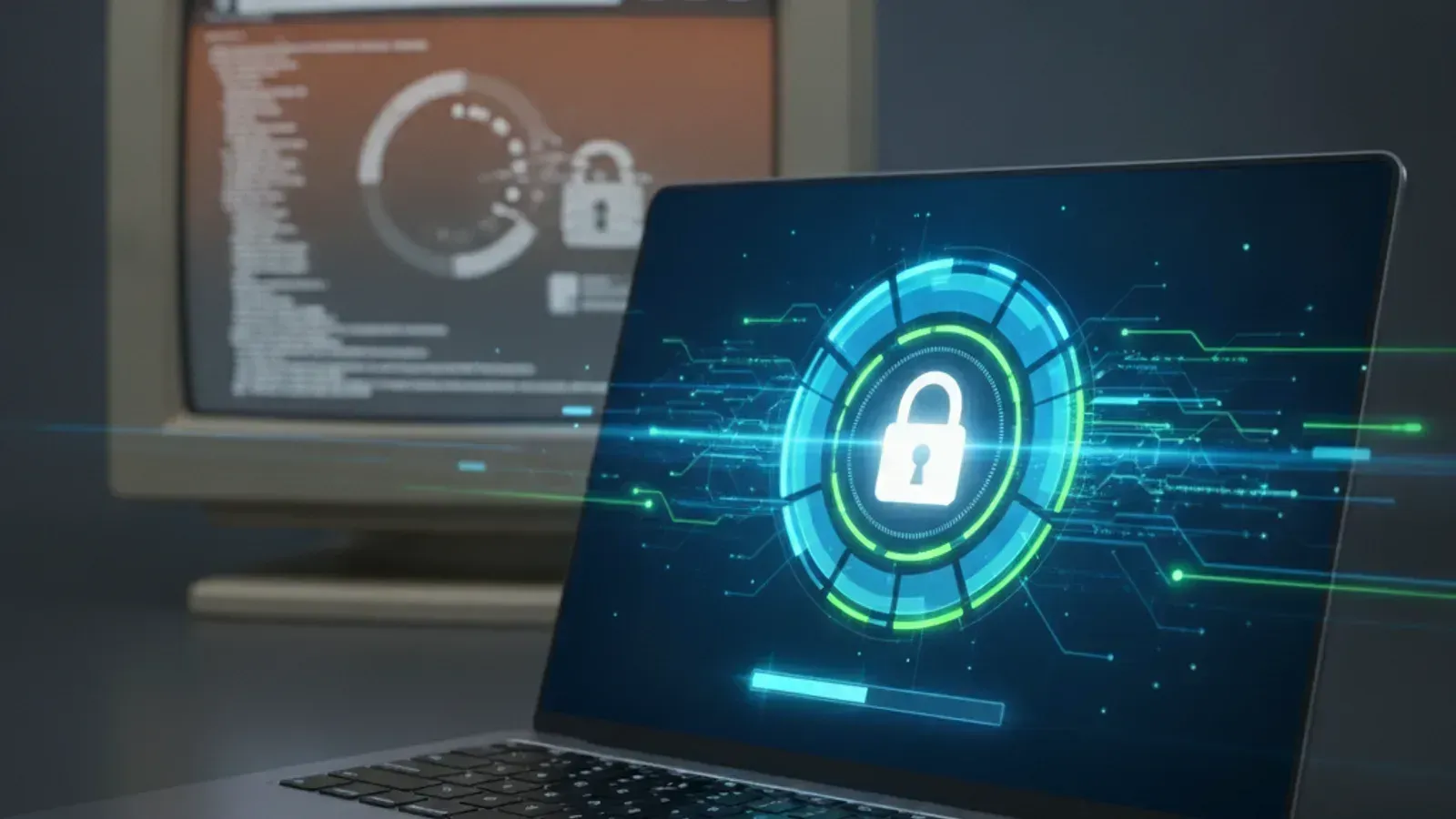
Headless CMS architecture often leads to faster, more secure web experiences.
Simplified Maintenance and Long-Term Value
While the initial setup can be more involved, long-term maintenance is often simpler. With content and presentation separated, updates to your content model don't necessarily break your front-end, and vice versa. This modularity makes debugging easier and allows teams to work independently on content and design. You also avoid the constant cycle of theme and plugin updates often associated with traditional systems, which can introduce compatibility issues and security holes.
By investing in a headless CMS, you are future-proofing your content strategy. You are building an adaptable foundation that can evolve with new technologies and new customer touchpoints, without requiring a complete overhaul every few years. This long-term value is a compelling argument for why businesses are moving to a headless CMS.
Weighing Up the Change: Considerations for Headless
It is important to have a balanced view. While the benefits are substantial, a headless CMS is not a silver bullet for every single scenario. The primary trade-offs include:
- More Complex Initial Setup: Decoupling requires more upfront architectural planning and development work compared to simply installing a WordPress theme.
- Requires a Development Team: You will need skilled developers to build and maintain the custom front-end(s) that consume content from the headless CMS. This is not a 'drag-and-drop' solution for non-technical users on the front-end side.
For founders and marketing leads currently grappling with an ageing WordPress or traditional CMS, understanding these considerations is crucial. The investment in development resources is offset by the long-term gains in performance, security, flexibility, and reduced technical debt.
At Kraavon, we have witnessed first-hand the transformative power of this shift. We regularly partner with businesses to re-platform their legacy WordPress sites onto modern headless CMS setups. Our approach involves re-engineering for speed, optimising for SEO, and building robust, scalable solutions tailored to specific business needs. We bridge the gap between strategy, design, and engineering, ensuring that your digital product not only looks good, but performs exceptionally well, now and into the future.
Kraavon partners with businesses to re-platform legacy systems to headless CMS, optimising for performance and future growth.
The story of 'The Crafty Corner' does not have to end in frustration. With the right strategy and a move to a headless CMS, they could pivot to a world of fast, secure, multi-channel customer engagement, ready for whatever the digital future holds. This is the opportunity that awaits businesses brave enough to shed the constraints of the past.
If your business is struggling with an outdated CMS, slow performance, or security concerns, it might be time to explore a headless solution. Our product engineering experts can guide you through the transition, ensuring a seamless and successful re-platforming.