
General
Why Businesses Are Moving to a Headless CMS
Discover why more founders and marketing leaders are choosing headless CMS architecture over traditional systems to unlock speed, security, and unparalleled flexibility for their digital products.
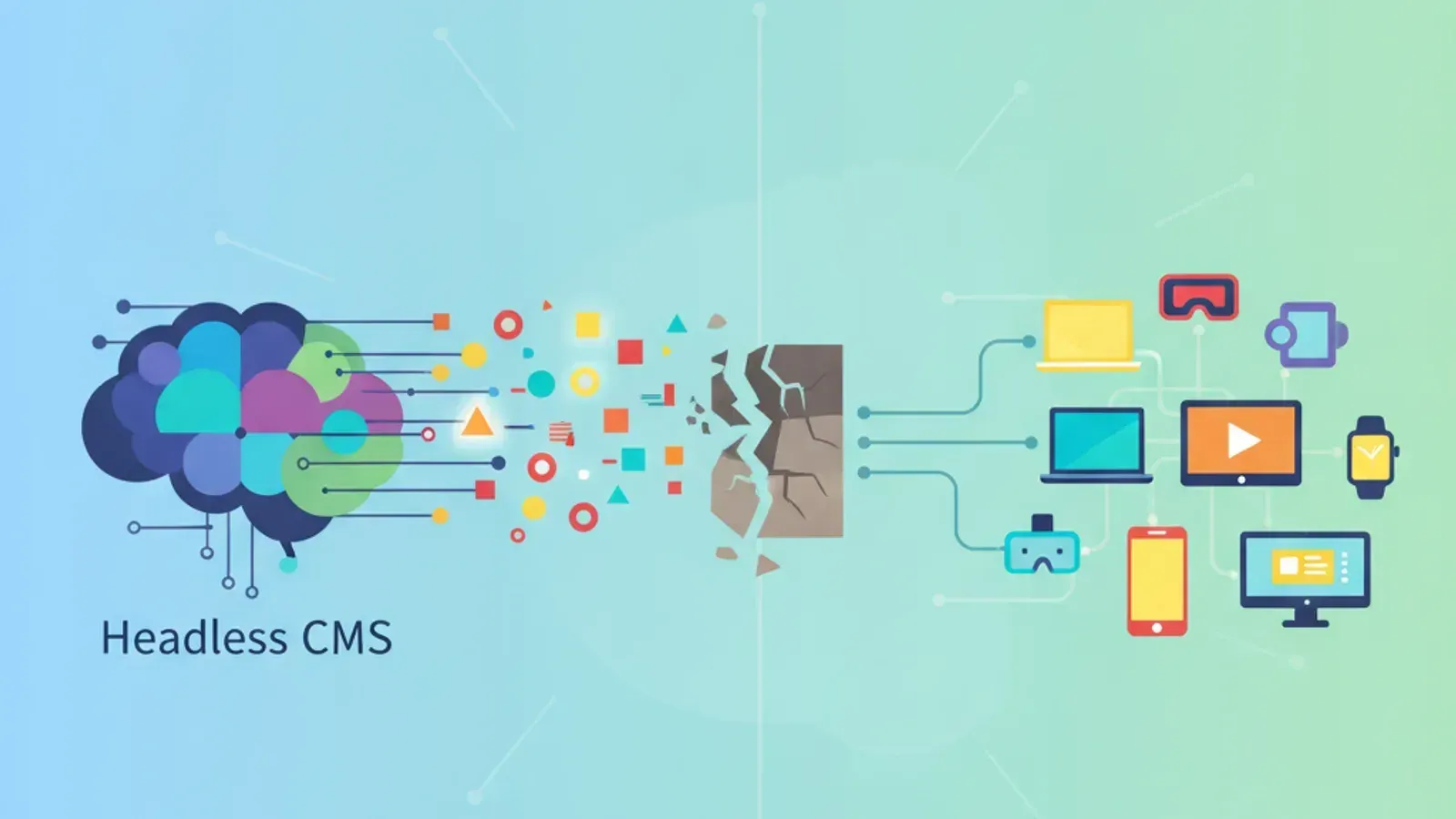
Imagine a vibrant, growing online shop, humming with activity. Orders are coming in, customers are browsing, and the marketing team is ready to launch an exciting new campaign. But then, a familiar groan echoes through the office. The website, built years ago on a traditional content management system (CMS) like WordPress, is creaking under the strain. Pages load slowly, updates take an age, and every new feature feels like an uphill battle, risking security vulnerabilities. This scenario is precisely why businesses are moving to a headless CMS, seeking a more agile, secure, and future-proof foundation for their digital presence.
For many years, traditional CMS platforms served us well. They offered a single, integrated system where content lived alongside its presentation, making it easy for non-technical users to create pages. However, as the digital landscape evolved, demanding faster experiences, omnichannel delivery, and robust security, these monolithic systems began to show their age. The limitations became clear, especially for ambitious founders and marketing leaders looking to push boundaries.
At its heart, a headless CMS is a content management system where the 'head' (the front-end presentation layer, like your website's visual theme) is completely decoupled from the 'body' (the back-end content repository and administration interface). Content is created and stored in the back-end, then delivered to any 'head' (be it a website, mobile app, smart device, or even a digital billboard) via APIs (Application Programming Interfaces). This fundamental separation unlocks a world of possibilities.
Unlocking Blazing Speed and Superior SEO
One of the most immediate and impactful benefits of a headless CMS is the dramatic improvement in site speed. Traditional CMS platforms often carry a lot of overhead, including database queries, plugins, and server-side rendering, which can slow things down considerably. With a headless setup, the front-end can be built using modern, lightweight frameworks (like React, Vue, or Next.js) and often served from a Content Delivery Network (CDN). This means content is delivered to users with incredible speed.
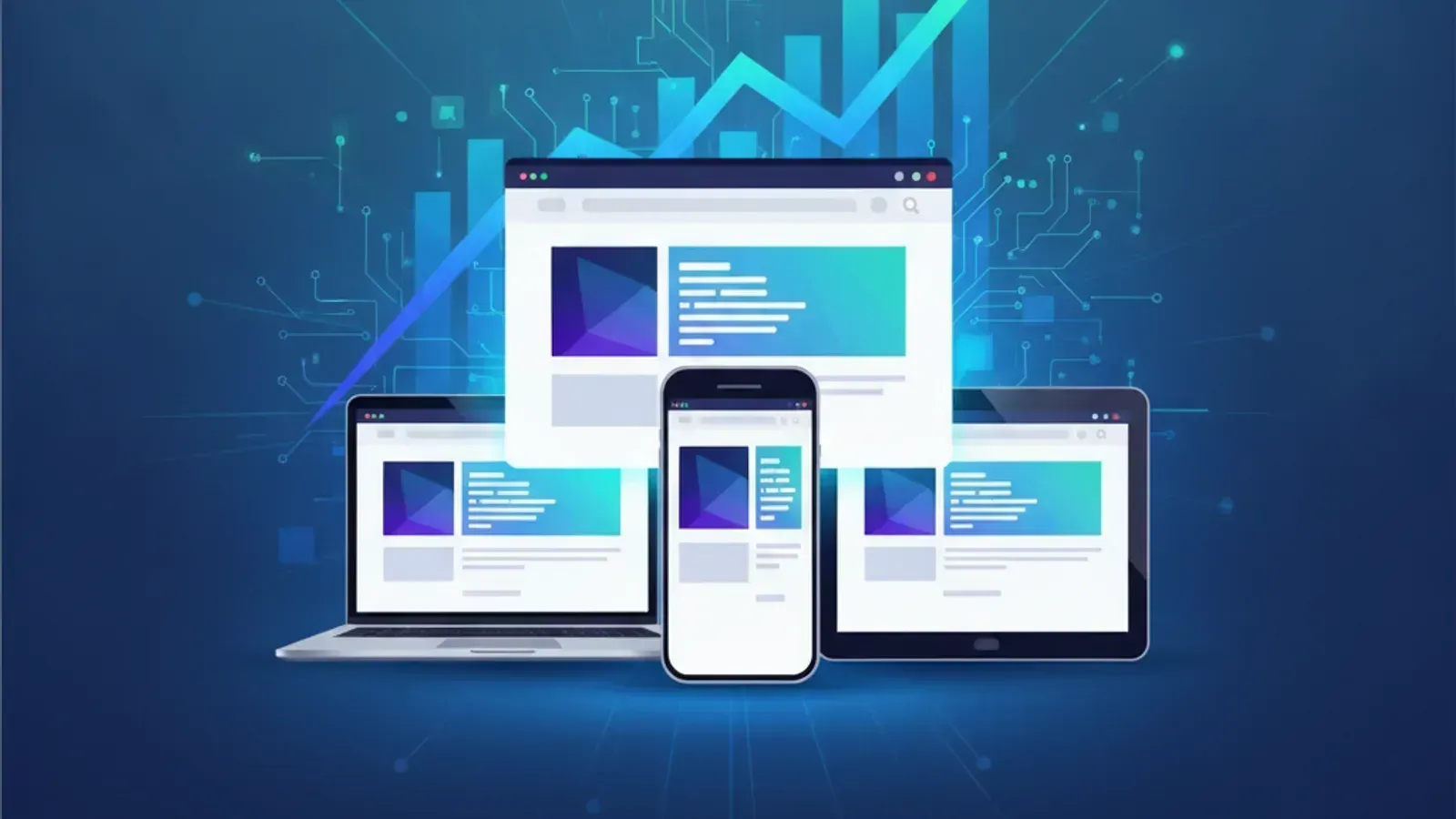
For founders and marketing teams, faster sites translate directly into better business outcomes. Users expect instant gratification; slow loading times lead to higher bounce rates and frustrated customers. More importantly, site speed is a critical factor for search engine optimisation (SEO), especially with Google's emphasis on Core Web Vitals. A headless architecture empowers developers to optimise every millisecond, resulting in superior performance scores, better search rankings, and a smoother user experience that keeps visitors engaged. This is a key reason why businesses are moving to a headless CMS, prioritising visibility and user satisfaction.
Fortified Security and Robust Scalability
Security is a constant concern for any online business. Traditional CMS platforms, particularly popular ones like WordPress, are frequent targets for malicious attacks due to their large attack surface, numerous plugins, and common vulnerabilities. With a headless CMS, the content is decoupled from the presentation. This means the database is not directly exposed to the public internet in the same way, significantly reducing the attack surface. Your content is delivered via API, making it much harder for attackers to compromise the entire system.
Furthermore, headless architectures are inherently more scalable. When your website experiences a surge in traffic, a traditional CMS can buckle under the pressure as it tries to render pages dynamically for every request. A headless setup, often combined with static site generation (SSG) or serverless functions, can handle immense traffic spikes without breaking a sweat. This elasticity is crucial for businesses with unpredictable traffic patterns, ensuring your site remains responsive and available even during peak campaigns or viral moments.
Unparalleled Front-End Freedom and Multi-Channel Reach
The creative limitations imposed by traditional CMS themes and templates can stifle innovation. With a headless CMS, designers and developers gain complete freedom to build any front-end experience imaginable. Want a cutting-edge interactive website? A custom mobile application? A dynamic display for an in-store kiosk? All can be powered by the same content source. This architectural flexibility is a major draw for ambitious product teams and creative marketers.
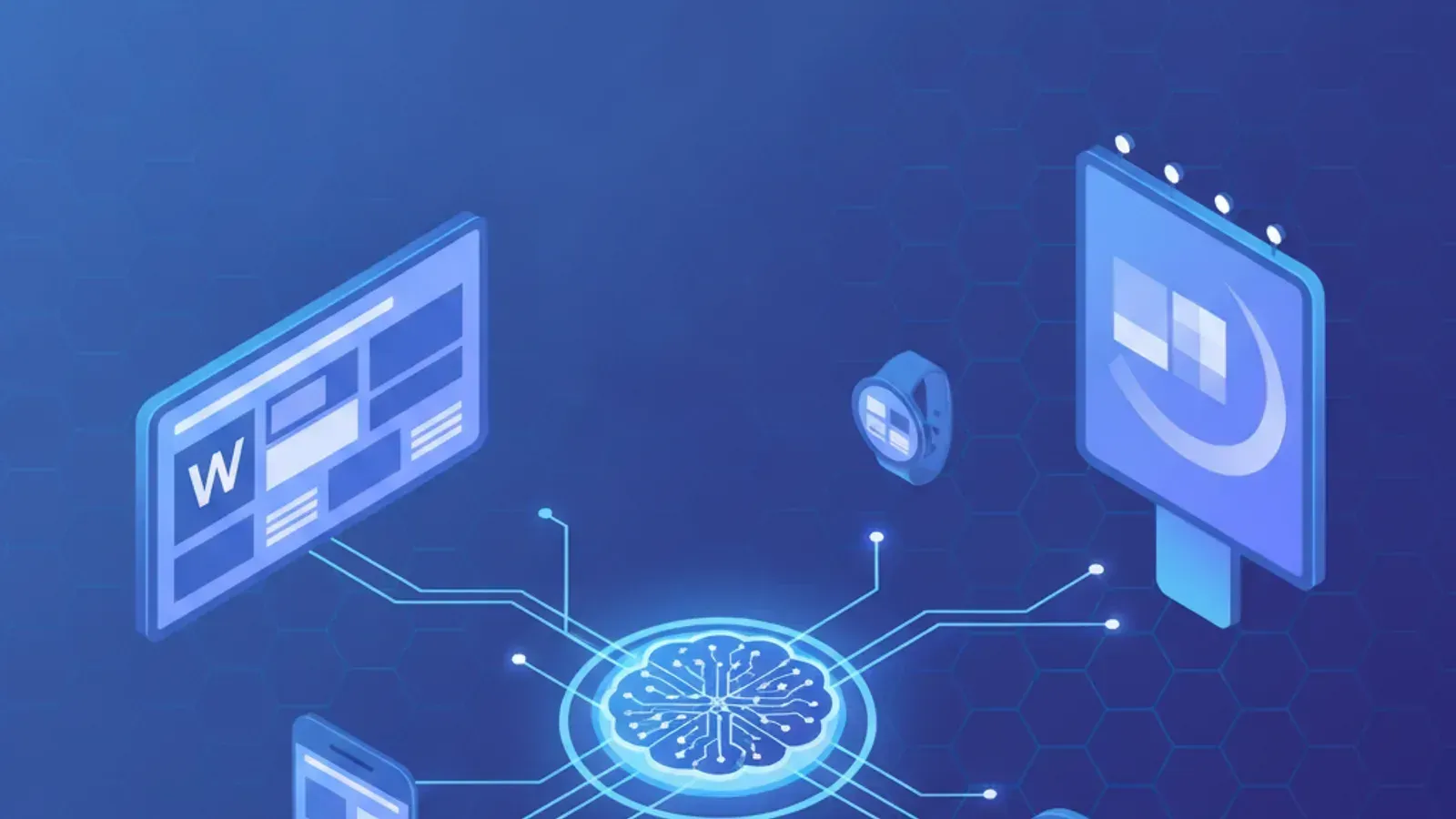
This freedom also extends to publishing content across multiple channels from a single source. Imagine updating a product description or a blog post once, and having it instantly reflected on your website, your iOS app, your Android app, and even a smart speaker skill. A headless CMS makes true omnichannel content delivery a reality, ensuring brand consistency and vastly reducing content management overhead. This unified approach to content publishing is a compelling reason why businesses are moving to a headless CMS, simplifying complex content strategies.
- Develop bespoke user interfaces without template restrictions.
- Integrate with virtually any third-party service or API.
- Deliver content to new and emerging digital touchpoints effortlessly.
- Ensure brand consistency across all customer interactions.
- Future-proof your content infrastructure against evolving technology.
Considering the Trade-Offs
While the benefits are substantial, it's important to approach a headless migration with clear eyes. There are trade-offs to consider. A headless setup typically requires a more involved initial setup compared to installing a traditional CMS. You're essentially building two separate systems (the content back-end and the presentation front-end) and connecting them. This means you'll need a proficient development team with expertise in modern front-end frameworks and API integrations.
The perceived complexity can be a hurdle for some. However, for businesses committed to digital excellence, the investment in a dedicated engineering team or a skilled partner like Kraavon pays dividends in the long run. The enhanced flexibility, performance, and security often outweigh the initial effort, leading to easier long-term maintenance and adaptability as your business evolves.
At Kraavon, we've partnered with numerous founders and product teams to re-platform sites off legacy WordPress and other traditional CMS platforms. Our approach involves re-engineering for speed and SEO, ensuring a smooth transition to a robust headless CMS setup. We believe in building digital products that aren't just functional, but truly outstanding, setting you up for sustained growth.
A headless CMS is a strategic move, not just a technical one. It signals a commitment to speed, security, and a future-ready digital presence. While it requires a development team to set up and maintain the custom front-end, the long-term benefits for performance, SEO, and omnichannel content delivery are immense.
The digital world moves fast, and businesses that remain tethered to outdated, monolithic systems risk being left behind. The decision of why businesses are moving to a headless CMS isn't just about chasing a trend; it's about making a strategic investment in the longevity, performance, and adaptability of your digital product. It's about empowering your team to innovate without constraint, deliver exceptional user experiences, and secure a stronger position in the competitive online landscape. Don't let your content be constrained; set it free to power every corner of your digital ambition.
If you're a founder or marketing lead wrestling with an ageing CMS and envisioning a faster, more secure, and flexible digital future, Kraavon can help. Our small, senior teams work as one, from strategy to design to engineering, to build premium digital products. Let's discuss how we can re-engineer your platform for unparalleled performance and growth.