
General
How to Make a Cinematic AI Brand Film at a Fraction of the Cost
Cinematic brand films used to be out of reach for many, requiring large crews and budgets. Now, AI offers a new path to high-quality video, dramatically cutting costs and timelines.
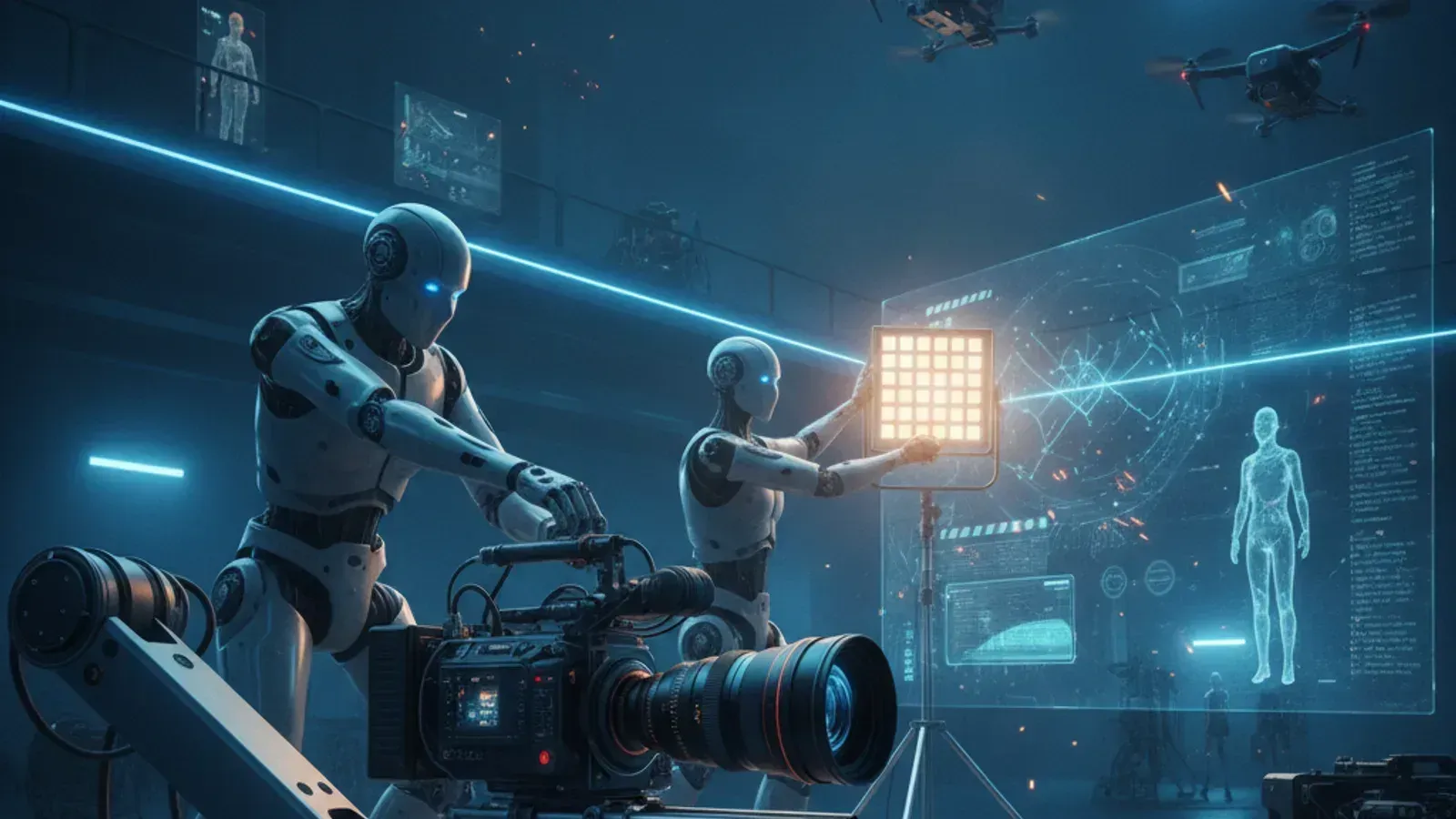
Imagine a film crew, a bustling set, and weeks of meticulous planning. Think of the lights, the cameras, the skilled technicians, and the considerable budget required to bring a brand's story to life on screen. For decades, this was the standard path to creating a cinematic brand film. It was an investment that often put truly captivating video out of reach for many ambitious founders and growing product teams. The vision was clear, but the cost and complexity were daunting.
But what if you could achieve that same cinematic quality, that rich narrative, and that polished visual style, without the traditional overhead? What if the barrier to entry for stunning brand video simply disappeared? This is the promise of the AI brand film. It is a revolution in how we conceive, produce, and deliver high-impact visual stories. We are no longer bound by old constraints. At Kraavon, we are seeing firsthand how artificial intelligence is transforming possibilities, allowing brands to tell their stories with unprecedented speed and affordability.
The shift is profound. Where once a six-week timeline and a six-figure budget were standard, today we can realise breathtaking visuals and compelling narratives in a fraction of that time and cost. This guide will walk you through how to harness AI to create a truly cinematic brand film, blending cutting-edge technology with essential human creativity to ensure your message not only lands but resonates deeply.
The Old Way Versus the New Horizon
Let us reflect on the traditional landscape of brand film production. A typical project involved extensive pre-production meetings, location scouting, casting calls, and detailed shot lists. Then came the demanding production days, often spread over several weeks, involving dozens of people on set. Post-production was another lengthy process, encompassing editing, colour grading, sound design, and motion graphics. Each stage required specialised expertise and significant time commitment, culminating in a hefty invoice.
This comprehensive, hands-on approach ensured quality, of course. It delivered films that could genuinely move audiences and elevate brands. However, it also created a bottleneck, making cinematic storytelling exclusive to those with substantial marketing budgets. Startups, scale-ups, and even established businesses needing agile content often had to compromise on quality or scale back their ambitions for video marketing.
Enter artificial intelligence. AI has emerged not as a replacement for human creativity, but as an incredibly powerful accelerant and enabler. It has dramatically expanded the canvas for visual storytelling. Tools driven by AI can now generate photorealistic imagery, animate complex scenes, synthesise voices, compose music, and even edit footage based on textual prompts. This means much of the heavy lifting, which once demanded large crews and expensive equipment, can now be achieved through smart algorithms and a well-crafted prompt.
The new horizon is one where your brand's vision is no longer limited by the constraints of physical production. Instead, it is limited only by imagination and the ability to articulate that imagination to an AI. This shift democratises access to high-quality video, allowing even small teams to produce stunning AI brand film content that competes with traditionally produced pieces. The craft remains paramount, but the tools and the timelines have fundamentally changed.
Crafting Your AI Brand Film: A Four-Stage Journey
Creating a cinematic AI brand film is not about passively watching AI do all the work. It is about actively directing the AI, much like a film director guides a crew. This process requires a clear vision and a structured approach. We break it down into four essential stages: Frame, Look, Produce, and Deliver. Each stage builds upon the last, ensuring a cohesive and impactful final product.
Stage 1: Frame Your Vision (Concept, Story, Message)
This is arguably the most crucial stage, and it remains deeply human-centred. Before any AI tool touches a single pixel, you must clearly define what your brand film needs to achieve. What is its core message? Who is your target audience? What emotional response do you want to evoke? This foundation dictates everything that follows. Without a strong 'Frame', your AI-generated visuals will lack purpose and resonance.
Begin by articulating your brand's unique story. What problem do you solve? What aspirations do you fulfil? What makes your product or service indispensable? Consider your brand's personality and values. Are you innovative, trustworthy, playful, or sophisticated? These attributes will inform the tone and style of your film. Develop a concise narrative arc, even for a short film. Every great film, regardless of length, has a beginning, a middle, and an end, even if subtle. It should present a challenge or a desire, offer a solution, and conclude with a sense of resolution or inspiration.
Write a preliminary script or a detailed treatment. Outline key scenes, dialogue (if any), and the overarching message. Storyboards or simple visual sketches can help here, even if rough. These initial creative assets will serve as your blueprint. While AI can help refine language or suggest visual ideas, the core concept, the emotional heartbeat, must originate from human insight. This is where your unique brand identity comes to life. It is the bedrock upon which a powerful AI brand film is built.
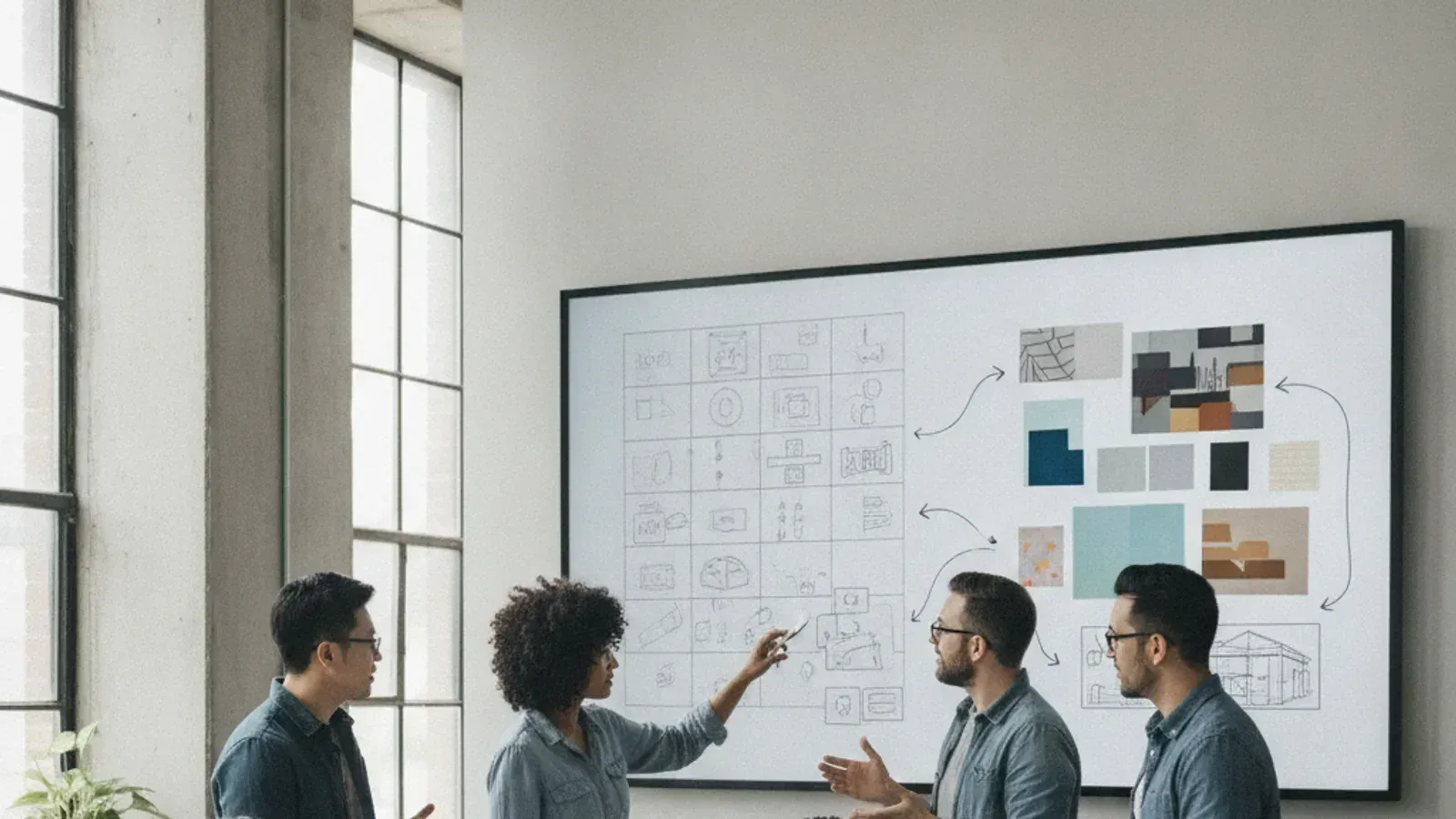
The 'Frame' stage is all about human creativity, defining the core story and message.
Stage 2: Define the Look (Visual Style, Mood, Art Direction)
Once your story is framed, it is time to define its visual language. This stage is about setting the aesthetic guidelines that will inform all AI generation. Think about the overall mood you want to convey. Is it sleek and futuristic? Warm and nostalgic? Bold and dynamic? These choices are critical for ensuring your film feels authentic to your brand.
Art direction involves making deliberate choices about every visual element. This includes the colour palette, which should align with your brand guidelines. Consider the lighting: bright and airy, moody and dramatic, or soft and natural. Think about camera angles and movements: dynamic sweeping shots, intimate close-ups, or steady, composed frames. The choice of textures, environments, and character styles also plays a significant role in establishing the film's unique look.
- Colour Palette: Adhere to brand colours, or select complementary shades that evoke the desired mood.
- Lighting Style: Decide on natural, artificial, high-key, or low-key lighting to set the scene.
- Camera Work: Plan for specific camera angles (e.g., wide shots, close-ups, drone views) and movements (e.g., tracking, panning, dolly shots).
- Composition: Consider the rule of thirds, leading lines, and framing techniques.
- Set Design & Props: Describe the environments and objects that will appear in the film, ensuring they reflect your brand's aesthetic.
- Character Design: If applicable, define the look and feel of any virtual characters or avatars.
AI tools can be incredibly helpful here. You can use them to generate mood boards, explore different visual styles from text prompts, or even test out various colour schemes on sample images. This iterative exploration is incredibly fast with AI. You can quickly see how different aesthetic choices impact the overall feel of a scene, allowing for rapid experimentation and refinement before committing to final generation. This ensures that the generated visuals perfectly align with your brand's identity and the film's narrative intent.
Stage 3: Produce with Precision (AI Generation, Edit, Sound)
Now we enter the heart of AI-powered production. With your frame and look firmly established, you can begin to generate the actual visual assets. This involves leveraging advanced AI models to create footage, product visuals, background elements, and even character animations. The key here is 'prompt engineering', crafting precise and detailed instructions for the AI to produce exactly what you envision.
Start by generating individual shots or sequences based on your storyboard and visual style guide. For example, if your film requires a sleek product shot against a futuristic cityscape, your prompt would describe these elements in detail. You might specify camera type, lens, time of day, weather conditions, and even the emotional tone. AI models excel at generating incredibly realistic and stylised imagery that would traditionally require extensive set design, location permits, and expensive equipment.
AI is exceptionally good at generating photorealistic environments, abstract visual effects, consistent object rendering (especially product shots), and various stylistic interpretations. It can create impossible camera movements or fantastical scenarios with ease. This allows for unparalleled creative freedom in visual storytelling. The complexity of a scene that can be conjured from a text prompt is truly astounding, opening up new avenues for visual spectacle that were once cost-prohibitive.
- Generate Footage: Use text-to-video AI models to create clips based on your script and visual descriptions. Focus on shot composition, character actions, and environmental details.
- Create Campaign Visuals: Produce high-resolution stills for marketing collateral, social media, and website headers, ensuring visual consistency with the film.
- Develop Product Imagery: Generate detailed, stylised product shots that highlight key features and aesthetics, integrating them seamlessly into the film's narrative.
- Edit and Assemble: Once you have your AI-generated clips, bring them into a traditional video editing suite. This is where human editors piece together the narrative, adjust pacing, and refine transitions. AI can assist with initial cuts or suggestions, but the nuanced art of editing still benefits immensely from a human eye.
- Add Sound Design and Music: Incorporate background music that matches the film's mood and brand identity. Add sound effects (SFX) for realism and emotional impact. AI can generate custom music or suggest appropriate tracks, but final selection and mixing are usually best handled by a sound designer. Voiceovers, if required, should be professionally recorded or generated using advanced text-to-speech AI, then carefully integrated.
Remember, AI is a tool. The quality of its output depends heavily on the quality of your input and your ability to iterate. Experiment with different prompts, refine your descriptions, and guide the AI towards the desired result. Think of it as sculpting: you start with a rough block and gradually refine it into a masterpiece with careful, deliberate strokes. This iterative process, facilitated by AI's speed, allows for a level of creative exploration that was previously impossible. You can test various visual approaches, quickly generate alternatives, and fine-tune every detail until it perfectly aligns with your vision for the AI brand film.
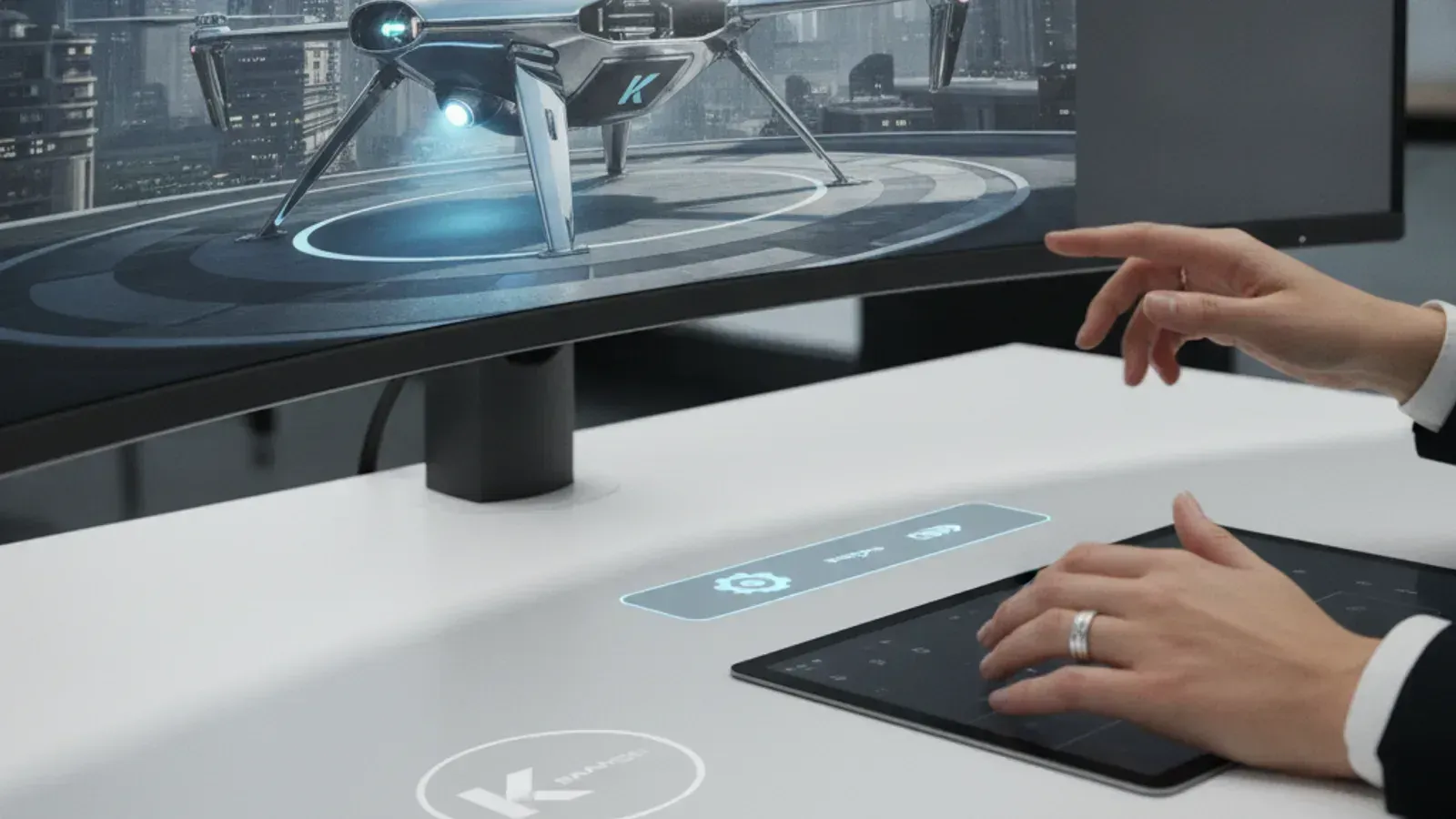
The 'Produce' stage leverages AI for generating complex visual elements and footage.
Stage 4: Deliver for Impact (Final Cuts, Channel Optimisation)
The final stage involves preparing your AI brand film for distribution across various platforms. A single master cut is rarely sufficient for today's diverse digital landscape. Different channels, such as YouTube, Instagram, TikTok, LinkedIn, or your brand website, have unique requirements for aspect ratios, lengths, and audience expectations. Optimising your film for each platform ensures maximum impact and engagement.
Create several versions of your film. You might need a longer, more detailed version for your website or YouTube channel. Then, create shorter, punchier edits for social media. These shorter versions often benefit from quick cuts, strong hooks, and on-screen text overlays, as many users watch social video without sound. Consider vertical formats for mobile-first platforms like Instagram Stories or TikTok.
Ensure your call to action (CTA) is clear and adapted for each platform. On your website, it might be a direct link to a product page. On social media, it could be a prompt to 'Learn More' or 'Visit Link in Bio'. Pay attention to file sizes and compression settings to ensure fast loading times without sacrificing visual quality. The goal is to make your cinematic AI brand film accessible and engaging wherever your audience is.
This stage also includes final colour grading and sound mixing to ensure professional polish across all versions. Consistent branding elements, such as logos and lower thirds, should be present and correctly animated. The 'Deliver' stage is about ensuring your meticulously crafted film achieves its full potential in the real world, reaching and influencing your target audience effectively.
The Human Touch: Where Direction Still Matters
It is crucial to be honest about AI's capabilities and its current limitations. While AI can generate astonishing visuals, it does not yet possess the innate understanding of human emotion, cultural nuance, or the subtle art of storytelling that defines truly cinematic work. AI produces clips; human directors craft films. The difference lies in intention, coherence, and emotional depth.
A generic AI-generated clip might look visually impressive. However, without human direction, it risks feeling soulless, disconnected, or simply 'AI-generated' in a way that lacks true brand identity. The director's role is to imbue the film with purpose. They guide the AI to select the right images, the right pacing, and the right emotional beats to tell a specific story, not just any story. They ensure the narrative flows logically and emotionally, resonating with the audience on a deeper level.
AI can paint with all the colours of the wind, but only a human can decide which colours tell your story best.
Consider the subtle shifts in a character's expression, the precise timing of a cut to maximise impact, or the strategic use of silence in a soundtrack. These are elements that require a human touch, an intuitive understanding of the audience's psychology. A human director can identify when an AI-generated scene feels 'off' and provide specific prompts to correct it, moving from a technically perfect but emotionally flat image to one that truly connects.
Ultimately, the human element provides the 'why' behind the visuals. It transforms a collection of impressive images into a cohesive, persuasive, and memorable brand experience. It ensures that your AI brand film does not just look good, but feels like your brand, communicating its unique essence with authenticity and impact. This direction is what elevates a mere sequence of generated clips into a truly cinematic piece of art that serves a strategic purpose.
The Real Benefits: Speed, Cost, and Iteration
Beyond the creative possibilities, the practical benefits of using AI for brand film production are substantial and transformative for businesses of all sizes. These advantages directly address the traditional pain points of high costs and long timelines, making premium video content accessible like never before.
The most immediately obvious benefit is the dramatically lower cost. By significantly reducing or even eliminating the need for physical film crews, expensive equipment rentals, studio days, and location fees, the financial barrier to entry for cinematic video has plummeted. A project that once required hundreds of thousands of pounds can now be achieved for a fraction of that, making high-quality video a realistic option for startups and SMBs.
Secondly, the speed of production is unparalleled. Traditional film projects often span many weeks, or even months, from initial concept to final delivery. With AI, initial cuts and even polished sequences can be generated in days. This rapid turnaround is invaluable in today's fast-paced market, allowing brands to respond quickly to trends, launch products with immediate visual support, or test multiple campaign ideas without significant time investment.
Finally, AI enables incredibly fast iteration. Imagine being able to test five different visual styles for a crucial scene within an hour, or generating multiple versions of a product shot with varying lighting conditions instantly. This ability to rapidly experiment and refine visuals means you can explore more creative options, optimise for specific audience reactions, and perfect your message without incurring prohibitive costs or delays. It empowers creative teams to be more experimental and responsive than ever before.
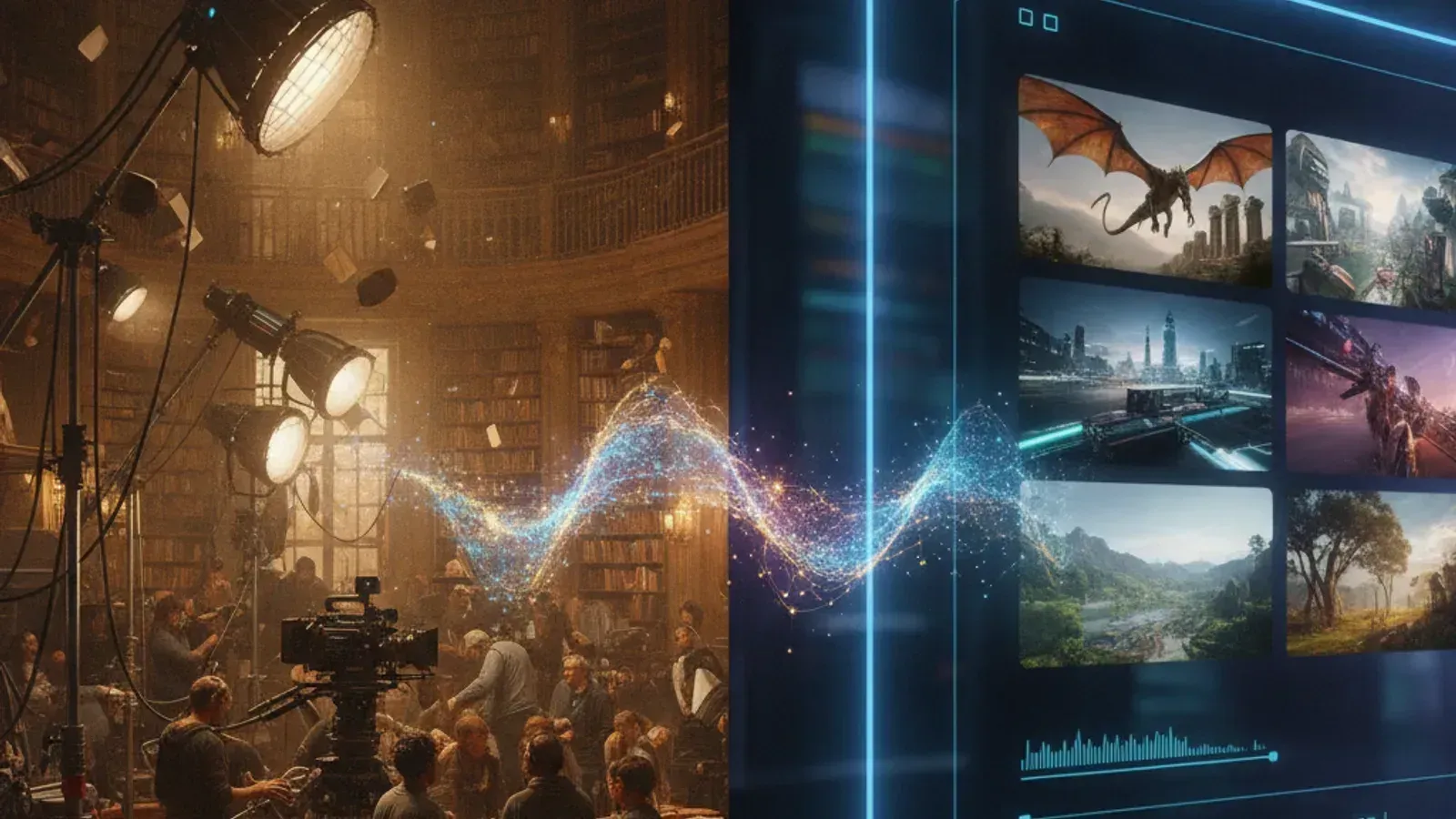
AI dramatically cuts costs and timelines, while boosting iteration speed for brand films.
When to Partner with Kraavon: Elevating Your AI Brand Film
While the promise of AI for creating a brand film is compelling, simply wrestling with the tools yourself might not deliver the truly cinematic, on-brand result you envision. Generating individual clips is one thing. Crafting a cohesive, emotionally resonant film that precisely communicates your brand's unique value is another. This is where a strategic partner like Kraavon becomes invaluable.
Many founders and product teams do not need another vendor handing off files. They need a partner who can move from strategic vision to a shipped product, or in this case, a finished film, without losing any of the critical context in between. At Kraavon, we specialise in bringing strategy, design, and engineering together as one unified team. This integrated approach ensures that your AI brand film is not just visually stunning, but also strategically sound and perfectly aligned with your broader product and brand goals.
You should consider partnering with Kraavon when you require:
- A truly cinematic result: Moving beyond generic AI outputs to a film that possesses depth, narrative sophistication, and high production value.
- Consistent brand craft: Ensuring every frame and every second of your film aligns perfectly with your brand guidelines, tone of voice, and visual identity.
- Expert direction: Having senior creative leads who can orchestrate the entire process, from concept to final cut, directing the AI with precision and purpose.
- Time efficiency: Freeing your internal team from the complexities of prompt engineering, iteration, and post-production, allowing them to focus on core business objectives.
- Strategic integration: Ensuring the film is not a standalone piece, but an integral part of your wider marketing and product strategy, designed for maximum impact.
- Technical excellence: Leveraging our engineering expertise to optimise your film for various digital platforms, ensuring flawless playback and accessibility.
We work in small, senior teams. This means decisions stay fast, and context never gets lost between the creative vision and the technical execution. Every engagement is built around your product and your specific needs, not a rigid template. We are here to direct the whole process, ensuring your vision is not just realised, but elevated, making your AI brand film a powerful asset that drives real engagement and growth. We help you tell your story in a way that truly connects.
Frequently Asked Questions About AI Brand Films
How much does an AI brand film cost?
The cost of an AI brand film is dramatically lower than traditional production, often representing a fraction of the budget. While specific figures depend on complexity, length, and the level of human direction, you can expect savings of 50-80% compared to a conventional cinematic production. The primary costs come from the creative direction, prompt engineering expertise, and post-production refinement, rather than large crews and equipment rentals.
How long does it take to produce an AI brand film?
Production timelines are significantly accelerated. Where traditional films might take six to twelve weeks, an AI brand film can often go from concept to initial cut in a matter of days. A fully polished, cinematic film, complete with detailed editing, sound design, and channel optimisation, can typically be delivered within two to four weeks. This speed allows for rapid campaign launches and quick iteration on creative concepts.
Does the quality match traditional production?
Visually, AI can now produce imagery and video clips that are indistinguishable from, or even surpass, traditionally shot footage in terms of resolution, realism, and stylistic variety. The key differentiator is the human direction. While AI provides the stunning raw materials, a human creative director ensures the narrative depth, emotional resonance, and brand authenticity match or exceed traditional production values. A well-directed AI brand film can certainly achieve cinematic quality.
What kind of brands can benefit most from AI brand films?
Almost any brand can benefit, but AI brand films are particularly advantageous for startups, scale-ups, and companies launching new products or campaigns. They are perfect for brands with compelling stories, innovative products, or those needing high-quality visual content on a tight budget and timeline. Brands that require rapid iteration or want to explore diverse creative concepts without prohibitive costs will find immense value in this approach.
The era of the prohibitively expensive brand film is fading. In its place, a new horizon emerges, where AI empowers brands to tell their stories with cinematic grandeur, speed, and efficiency. This is not about replacing human creativity, but amplifying it, putting powerful storytelling tools into the hands of more brands than ever before. We invite you to explore how an AI brand film can transform your marketing efforts.
Discover how Kraavon's blend of strategic direction, design excellence, and AI expertise can bring your brand's story to life on screen. Let's create something extraordinary together.